



- Product Describe
-
Product Overview and Scope of Use
The ceramic tile glaze abrasion tester is an instrument manufactured in accordance with ISO 10545-7:1996, “Determination of surface abrasion resistance of glazed ceramic tiles,” and GB/T 3810.7-2016, “Test methods for ceramic tiles—Determination of surface abrasion resistance of glazed tiles.” A specified quantity of abrasive material is placed on the glaze surface of the ceramic tile, and the abrasive is allowed to grind across the glaze. The resulting differences in the glaze surface of the test specimen are then visually assessed and classified.
The ceramic tile glaze abrasion tester is suitable for quality inspection in enterprises producing glazed ceramic tiles, as well as for testing and research purposes in scientific research institutes.
Technical Specifications
1. Specimen dimensions: 100 × 100 mm; capable of conducting wear tests on eight specimens simultaneously (also referred to as an “eight-head grinder”); can also be used for wear tests with fewer than eight specimens.
2. The distance from the center of the turntable to the center of each test specimen is 195 mm, and the spacing between adjacent specimen fixtures is equal.
3. Rated speed of the support plate: 300 ± 10% rpm;
4. Eccentricity: e = 22.5 mm;
5. The metal clamp with rubber sealing has an inner diameter of φ83, an internal clearance of 25.5 mm, and provides a test area of approximately 54 mm².
6. Speed preset counter counting range: 0–999,999;
7. Power supply: 380 V ±10%, 50 Hz ±10%;
Structure and Operating Principle
The ceramic glaze abrasion testing instrument consists of a frame, a transmission mechanism, a supporting turntable, eight metal fixture housings with rubber seals, and an electrical control unit. The motor drives the transmission mechanism, causing the support turntable to rotate at 300 revolutions per minute and generating an eccentricity of 22.5 mm (e). This results in each test specimen undergoing circular motion with a diameter of 45 mm, thereby enabling the abrasive material to grind the glaze surface of the specimen. The electrical control unit precisely controls the preset number of revolutions, and the machine automatically stops when the set number is reached. The ceramic glaze abrasion testing instrument features a novel design, smooth operation, low noise, and simple handling; it can simultaneously test either eight specimens or fewer. Equipped with a digital time relay, the operator only needs to connect the power supply—no further monitoring is required—and the instrument will automatically complete the test according to the preset time (number of revolutions).
Grinding media
◇ The grinding medium for each test specimen is:
◇ A steel ball with a diameter of 5 mm weighs 70.0 g;
◇ A steel ball with a diameter of 3 mm weighs 52.5 g;
◇ A steel ball with a diameter of 2 mm weighs 43.75 g;
◇ A steel ball with a diameter of 1 mm weighs 8.75 g;
◇ 3.0 g of corundum abrasive with a particle size of F80, as specified in ISD 8684-1;
◇ 20 mL of deionized water or distilled water.
Test specimen
■ 1. Types of Samples
The test sample shall be representative; for ceramic tiles with varying colors or decorative surface finishes, sampling shall ensure that all distinctive features are included.
The specimen dimensions are generally 100 mm × 100 mm; when smaller specimens are used, they must first be securely bonded and fixed to a suitable supporting material, so that the boundary effects at narrow joints can be neglected.
■ 2. Number of specimens
The test requires the use of 11 test specimens, of which 8 are to be examined visually after testing. Each grinding stage
The procedure requires taking one test specimen, then comparing it with three worn specimens to visually inspect for wear marks.
■ 3. Preparation
The sample glaze surface shall be cleaned and dried.
Test Procedure
Clamp the test specimen with the glazed surface facing upward in a metal fixture, then add the grinding media through the feed port at the top of the fixture. Secure the lid to prevent loss of the grinding media. Set the pre-adjusted rotation speeds at 100, 150, 600, 750, 1,500, 2,100, 6,000, and 12,000 rpm. After reaching the preset number of revolutions, remove the specimen, rinse it under running water, and dry it in an oven maintained at 110°C ± 5°C. If the specimen is contaminated with rust, scrub it with 10% hydrochloric acid by volume, then immediately rinse thoroughly with running water and dry. Place the specimen in the observation chamber, position one ground specimen in the center and surround it with three unground specimens of the same type. Under an illuminance of 300 lux, at a distance of 2 meters and a height of 1.65 meters, visually inspect—wearing glasses if normally worn—to compare the differences between the unground and ground brick glazes. Pay particular attention to the differences in the glazed surfaces resulting from grinding at different rotation speeds; at least three independent observations are required.
Within the observation chamber, visually compare the observed wear at the higher speed level and the adjacent lower speed level; repeat the test to verify the results. If the results differ, assign the lower of the two levels as the final classification.
Having passed the 12,000-rpm ceramic tile test, it is then subjected to testing in accordance with GB/T 3810.14.
Pollution resistance test. After the test is completed, the steel ball is rinsed with running water and then cleaned with alcohol containing methanol.
Subsequently, the specimens shall be dried to prevent rusting. If the contract specifies an釉面磨耗试验, the dry mass of three test specimens shall be determined prior to testing, after which the specimens shall be subjected to grinding at 6,000 revolutions. Ceramic tiles that have passed the 1,500-, 2,100-, and 6,000-revolution tests shall then undergo a stain resistance test in accordance with GB/T 3810.14.
Other relevant performance tests, such as those for changes in color and gloss, may be conducted during the testing process in accordance with the agreement; however, the provisions stipulated in the agreement shall not serve as the basis for grading the bricks.
Result Grading
The test specimens shall be graded according to Table 1, with a total of five grades. Ceramic tiles shall also comply with GB/T 3810.14.
Conduct a stain-resistance test on the worn glaze surface, but make the following amendments to this standard:
(1) Use only a single worn brick (with more than 12,000 revolutions), carefully distinguish it, and ensure that contamination is eliminated.
Grading (e.g., cutting off a worn portion of the tile before conducting the stain resistance test).
(2) If cleaning has not been performed in accordance with Steps A, B, and C, it must be carried out in accordance with Step D as specified in GB/T 3810.14.
If no wear marks are observed on the test specimen after 12,000 revolutions, but contamination cannot be removed by any of the methods specified in GB/T 3810.14 (A, B, C, or D), the abrasion resistance is rated as Level 4.
Table 1: Abrasion Resistance Grading of Glazed Ceramic Tiles
Visible number of grinding revolutions due to wear
Grading
100
0
150
1
600
2
750, 1500
3
2100, 6000, 12000
4
>12000
5
After the 12,000-rpm test, a contamination resistance test shall be conducted in accordance with GB/T 3810.14-2016.
Test Report
The test report shall include the following: a) reference to this part of GB/T 3810; b) description of the test specimen, including the method of specimen preparation; c) classification in accordance with Clause 8; d) number of grinding revolutions resulting in visible abrasion marks.
e) According to the agreement, Class 4 wear-resistant tiles are classified as stain-resistant:
F) Abrasion, color change, gloss change, or other performance tests, as specified in the agreement.
Company Profile
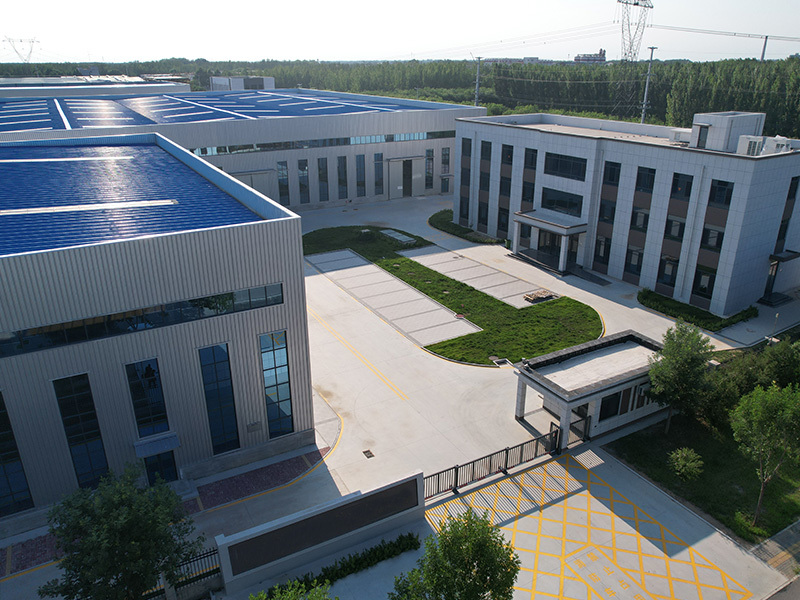
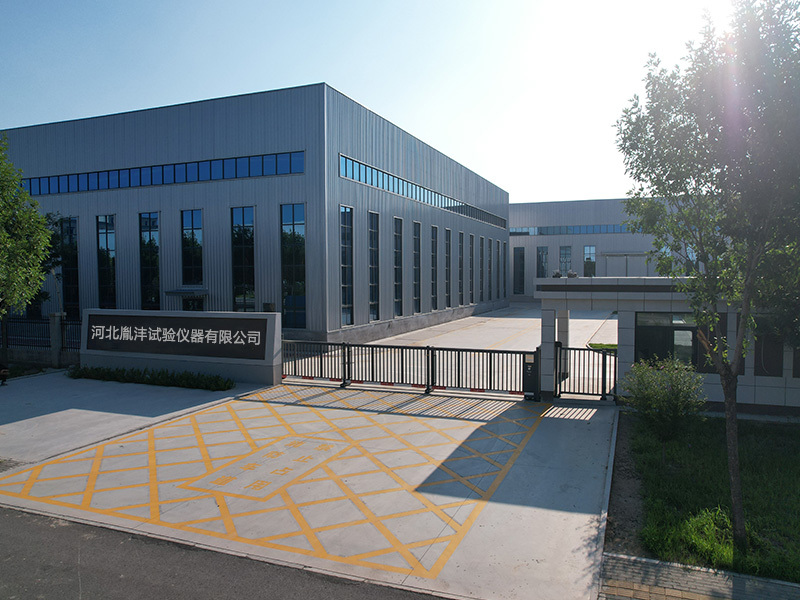
Hebei Yinfeng Experimental Instrument Co., Ltd. is a high-tech enterprise dedicated to the research and development, production, and sales of experimental instruments. The company is headquartered in Hebei Province, relying on the strong industrial foundation and technological innovation resources in the Beijing Tianjin Hebei region. It is committed to providing high-precision and high reliability testing equipment and solutions for material testing, engineering quality control, scientific research experiments and other fields.


Customized Delivery Process
We provide customers with full-process services ranging from pre-sale consultation, customized solution design, equipment installation and commissioning to after-sale technical support.
Online Communication
Provide Custom Drawings
Merchant Quotation
Sign A Contract
Processing And Production
Packaging And Distribution
Confirm Receipt Of Goods
Successful Transaction
Previous:
Ceramic Tile Glaze Abrasion Tester
If you need customized products, Contact US !
Share to


Tag list
Request a Quote
We will contact you within one working day. Please pay attention to your email.
Related Products
Content update in progress
Message
We will contact you within one business day. Please note your email address.
Fast navigation
Contact Us
Whatsapp/Tel: +86-15931715356,+86 16631790555
E-mail: qcj@cnhblabequipment.com
Add: Chengnan Industrial Zone, Xian County, Cangzhou City, Hebei Province

Online Message