



- Product Describe
-
Uses
The ball-bearing-type abrasion testing machine is primarily designed for conducting abrasion tests on concrete and its products—such as paving bricks, floor tiles, artificial marble, terrazzo, and other building materials—in accordance with the national standard GB/T 16925-1997, “Test Method for Abrasion Resistance of Concrete and Its Products.” It is a specialized testing instrument for evaluating the abrasion resistance of pavement and flooring materials and serves as essential equipment for construction units engaged in municipal works, highways, and bridge projects, as well as for concrete-product manufacturers and research laboratories.
Technical Specifications
1 Grinding head ball bearing 13*15.875mm 2 Grinding head pressure load 154±2.5 N 3 Rated speed of the shaft load 1000-1050r/min 4 Abrasive stone working hardness >HRC62 5 Measure travel distance 10mm 6 Noise >75 dB 7 Abraded area of the test specimen <100 100 mm, ≤300 300mm 8 Motor power 0.75kw 9 External dimensions (length wide High) 700450800mm 10 Net weight 163kg How to use
1. This unit is packaged in a wooden crate. Upon unpacking, please verify the product certificate of conformity, packing list, user manual, and other accompanying documentation.
Verify completeness and, based on the product packing list, confirm that all items inside the box are present and match the description.
2. The testing machine, after being unpacked and inspected as qualified, shall be placed horizontally on the workbench. This machine does not require a dedicated foundation or anchor bolts; it is sufficient to ensure that it is level and stable.
3. Connect the inlet water pipe (20) to the water source, then connect the outlet water pipe (17). Plug the unit’s four-core power cord into control box (18), connect it to a three-phase 380 V AC power supply, and ensure reliable grounding before putting the unit into operation.
4. Place specimen (3) with its abrading surface facing upward into the specimen fixture holder (2). The fixture holder is equipped with a movable plate (24) that can be adjusted to accommodate specimens of different widths. After using the leveling dial (23) to bring the abrading surface to a horizontal position, rotate the clamping screw (22) to securely clamp the specimen.
5. Place the grinding head (4) on the surface to be ground, then turn the lifting handle (16) to lower the frame (11) and the hollow spindle (5) until they press against the grinding head (4). Ensure that all the balls of the grinding head are aligned with the raceway at the lower end of the hollow spindle, and take care to prevent the hollow spindle from striking the sensor (6) mounted on the grinding head.
6. Continue rotating the lifting handle (16) to lower the frame (11) until the top of the sensor (6) aligns with the red scribing line (7). At the same time, the measuring probe of the dial indicator (9) shall be in contact with the top plate (8), and the dial indicator shall indicate a travel of more than 5 mm.
7. Tighten the locking handle (19) to secure the protective cover (21) on the panel, then open the water supply. Begin the test when water continuously flows from the hollow shaft into the friction surface of the test specimen (3).
8. Press the “Start” button on the controller (18), and the motor (15) will begin to operate. When the grinding head (4) has rotated approximately 30 times, the machine will automatically stop; record the reading on the dial indicator (9), then press the “Reset” button to reset the digital display to zero. Next, press the “Start” button again to resume operation. When the grinding head (4) reaches 1,000 revolutions, the machine will automatically stop and the dial indicator reading will be recorded. Press the “Start” button once more to continue operation; thereafter, for every additional 1,000 revolutions, the grinding head (4) will automatically stop and the dial indicator reading will be recorded. However, when the total number of revolutions reaches 5,000, the machine will automatically shut down and lock itself. To restart the machine, first press the “Reset” button to restore normal operation. During operation, if it becomes necessary to pause the test, press the “Stop” button; the machine will immediately cease rotation and the current data will be automatically saved, thereby ensuring the continuity, integrity, and accuracy of the test results.
9. The machine frame cannot rotate.
10. Upon completion of the test, shut off the water supply and power, and remove the test specimen.
Company Profile
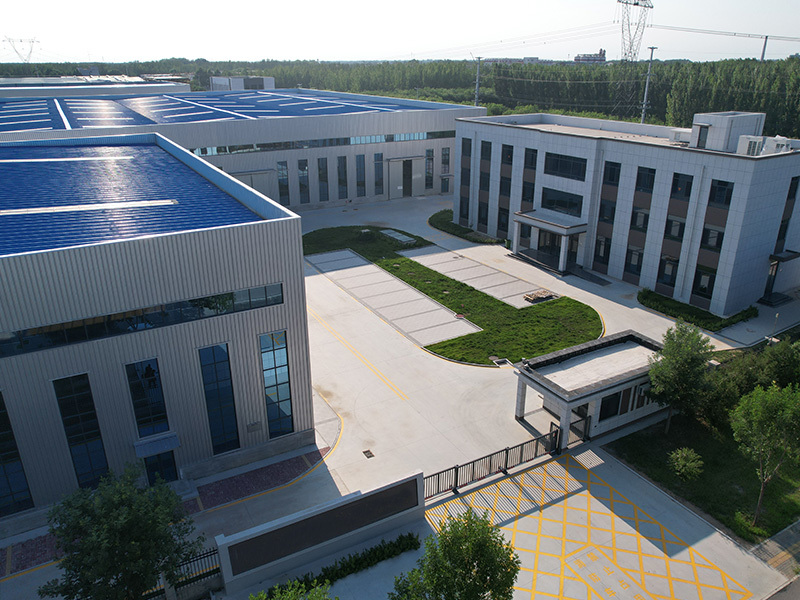
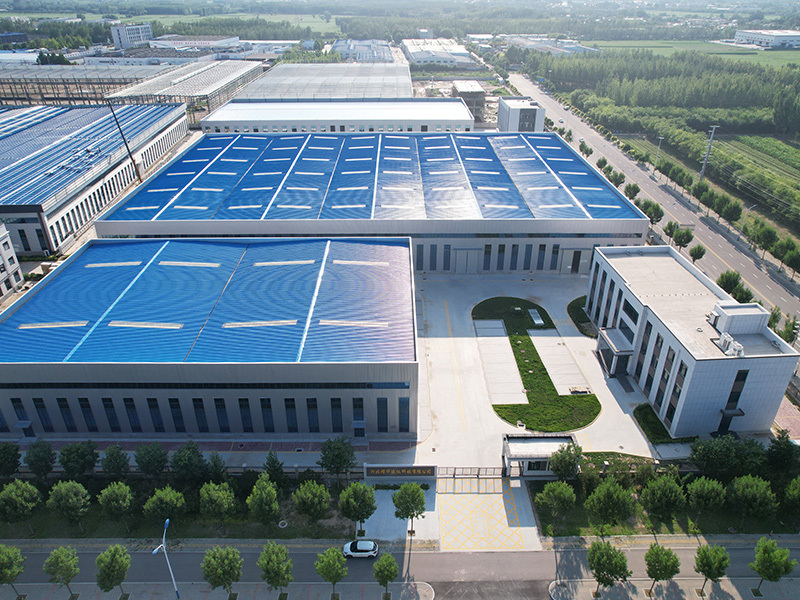
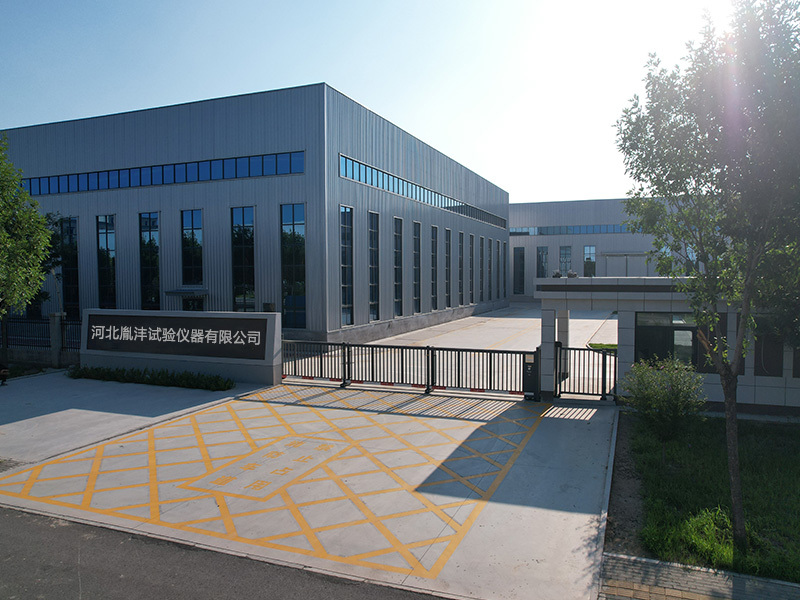
Hebei Yinfeng Experimental Instrument Co., Ltd. is a high-tech enterprise dedicated to the research and development, production, and sales of experimental instruments. The company is headquartered in Hebei Province, relying on the strong industrial foundation and technological innovation resources in the Beijing Tianjin Hebei region. It is committed to providing high-precision and high reliability testing equipment and solutions for material testing, engineering quality control, scientific research experiments and other fields.

Customized Delivery Process
We provide customers with full-process services ranging from pre-sale consultation, customized solution design, equipment installation and commissioning to after-sale technical support.
Online Communication
Provide Custom Drawings
Merchant Quotation
Sign A Contract
Processing And Production
Packaging And Distribution
Confirm Receipt Of Goods
Successful Transaction
Previous:
Ball Bearing-Type Wear Testing Machine
If you need customized products, Contact US !
Share to


Category
Tag list
Request a Quote
We will contact you within one working day. Please pay attention to your email.
Related Products
Content update in progress
Message
We will contact you within one business day. Please note your email address.
Fast navigation
Contact Us
Whatsapp/Tel: +86-15931715356,+86 16631790555
E-mail: qcj@cnhblabequipment.com
Add: Chengnan Industrial Zone, Xian County, Cangzhou City, Hebei Province

Online Message