



- Product Describe
-
Uses
This instrument is a specialized device for sieve analysis in accordance with the national standard T0501-94, “Test Method for Cement Fineness—Sieve Analysis Using an 80 µm Sieve.” Featuring a simple structure, convenient operation, and reduced energy consumption, it is an essential piece of equipment for cement plants, construction companies, and research institutes and higher education institutions with cement-related specialties.
Technical Specifications
1 Sieve analysis for fineness 80 μm 2 Screening and self-control time 2 min 3 Adjustable range of working negative pressure -4000 to -6000 Pa 4 Nozzle rotational speed 30±2 r/min 5 Distance between the nozzle outlet and the screen 2–8 mm 6 Add the cement sample. 25 g 7 Power supply voltage AC 220 V 8 Power consumption 700 W 9 Work noise ≤75 dB 10 External dimensions 540×400×1000 mm 11 Net weight 40 Kg Structural Principle
The negative-pressure sieve analyzer primarily consists of a cabinet, a sieve holder, a bucket-type dust collector, and a digital time controller, among other components.
The enclosure constitutes the main structural component of the instrument, with all components mounted inside it.
The sieve frame houses a synchronous motor, a suction nozzle, and a rigid pipe, among other components, and supports the test sieves and sieve covers. The lower end of the rigid pipe is connected via a flexible hose to the inlet of the cyclone separator, while a small port is also connected by a flexible hose to a negative-pressure gauge.
The canister vacuum cleaner serves as the negative-pressure source, with its suction inlet connected to the outlet of the cyclone separator. The motor speed can be continuously adjusted via the pressure-control knob on the control panel, allowing the instrument’s operating negative pressure to be modified at any time.
The cyclone dust-collection unit consists of a cyclone separator and a dust-collection bottle. The optimized inlet configuration of the cyclone separator significantly enhances dust-collection efficiency, capturing 95% of cement dust in the collection bottle and thereby reducing the frequency of filter-cleaning cycles for the vacuum cleaner.
The digital time controller consists of a digital display and a timer; it displays the operating time and automatically shuts off the instrument after 2 minutes of operation.
Upon startup of the negative-pressure sieve analyzer, the vacuum cleaner and the synchronous motor are activated, maintaining a negative-pressure environment within the sieve holder. Under the action of the airflow emitted from the nozzle, the cement fine powder on the test sieve becomes dynamic; particles smaller than the sieve aperture are drawn through the sieve by the negative pressure and collected, while particles larger than the aperture remain on the sieve, thereby completing the sieving process and meeting the test requirements specified in GB 1345–91.Operating Steps
1. This instrument is packaged in a box and a plastic bag. Upon unpacking, verify that all accompanying documents—such as the certificate of conformity, packing list, and user manual—are complete, and carefully read the user manual.
2. Place the instrument on a flat, level surface, open the rear door, and verify that all components are properly installed. Ensure that all connection ports are tightly sealed. Then insert the power plug into a 220 V AC power outlet and ensure reliable grounding. The instrument is now ready for operation.
3. Set the timer to the desired duration, then turn on the power to start the instrument. When the set time elapses, the instrument will automatically shut down. If the operating negative pressure exceeds the range of “–4000 to –6000 Pa,” adjust the pressure-regulating knob to bring the negative pressure within the limits specified by the national standard.
4. When performing sieve analysis in accordance with GB 1345-91, first weigh out a 25 g cement sample using an analytical balance, transfer it into the test sieve, and cover the sieve with its lid. Then start the instrument; after it stops, remove the test sieve, transfer the residue on the sieve to the balance for weighing, and calculate the sieve analysis results.Maintenance and upkeep
1. After each use, gently brush both sides of the test sieve screen with a brush, then inspect the screen under sunlight or artificial light to ensure it is free of debris. Finally, store the test sieve in a dry container or plastic bag.
2. When the test sieve becomes clogged, invert it on the sieve frame, cover it with the sieve lid, and apply reverse suction; then brush it clean. If necessary, remove the vacuum cleaner nozzle from the cyclone separator and direct the suction stream onto the sieve mesh while simultaneously brushing it clean. If the sieve mesh is severely clogged, first soak the test sieve in water for a period of time before scrubbing it.
3. After use, turn off the power switch and wipe the exterior surface of the instrument clean with a cloth.
4. When the fine cement powder in the dust-collection bottle is nearly full, remove the bottle from the cyclone separator by turning it clockwise, empty the contents, and then reattach the bottle by turning it counterclockwise.
5. The vacuum cleaner should be regularly cleaned of accumulated dust to keep the dust collection bag clean and ensure that the negative pressure meets the national standard requirements. When removing the vacuum cleaner, first unplug the power cord from the socket inside the cabinet, then lower the front lever to disengage it from the base. This will allow you to take the vacuum cleaner out of the cabinet for dust removal.
6. When the instrument is operated continuously for an extended period, it must be shut down to allow for cooling, in order to prolong the lifespan of the vacuum cleaner motor.
Company Profile
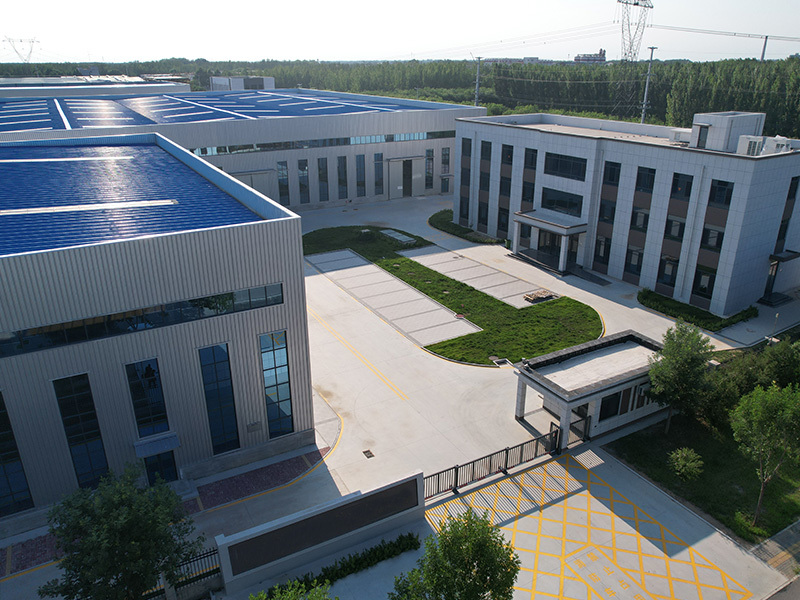
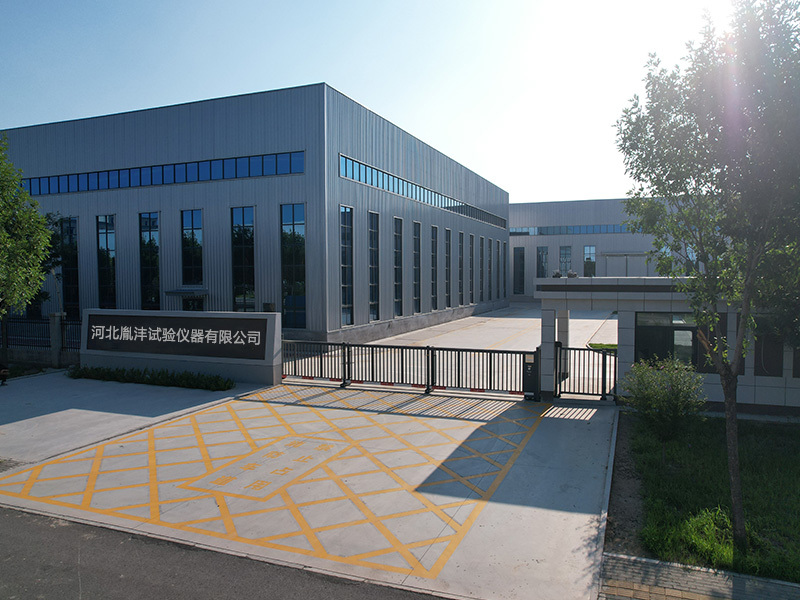
Hebei Yinfeng Experimental Instrument Co., Ltd. is a high-tech enterprise dedicated to the research and development, production, and sales of experimental instruments. The company is headquartered in Hebei Province, relying on the strong industrial foundation and technological innovation resources in the Beijing Tianjin Hebei region. It is committed to providing high-precision and high reliability testing equipment and solutions for material testing, engineering quality control, scientific research experiments and other fields.


Customized Delivery Process
We provide customers with full-process services ranging from pre-sale consultation, customized solution design, equipment installation and commissioning to after-sale technical support.
Online Communication
Provide Custom Drawings
Merchant Quotation
Sign A Contract
Processing And Production
Packaging And Distribution
Confirm Receipt Of Goods
Successful Transaction
Previous:
Negative-Pressure Sieve Analyzer for Cement Fineness
If you need customized products, Contact US !
Share to


Category
Tag list
Request a Quote
We will contact you within one working day. Please pay attention to your email.
Related Products
Content update in progress
Message
We will contact you within one business day. Please note your email address.
Fast navigation
Contact Us
Whatsapp/Tel: +86-15931715356,+86 16631790555
E-mail: qcj@cnhblabequipment.com
Add: Chengnan Industrial Zone, Xian County, Cangzhou City, Hebei Province

Online Message