



- Product Describe
-
I. Equipment Features
This device is a vacuum saturation apparatus designed according to the "Sample Preparation and Saturation" chapter of the GB/T 50123-1999 Standard for Geotechnical Testing Methods (the vacuum pump is sold separately).
This device is made of stainless steel and features a large volume (Ø270×300) as well as a lightweight design.
When using this device to saturate soil samples, please follow: GB/T50123-1999 Following the steps described in Section 3.2.4, connect this device to a vacuum pump using a vacuum rubber tube, then start the vacuum pump. Gently apply slight pressure to the vacuum cover by hand. At this point, the vacuum gauge will indicate the vacuum level, and the device will be operating normally.
After vacuuming, the vacuum cover will slightly indent due to atmospheric effects; this is a normal phenomenon.
II. Technical Requirements
Voltage: 220V
Vacuum level: 0 - -0.1 MPa
Vacuum pump power: 150W
III. Operating Instructions
First, open the plastic cover on top of the vacuum pump and add vacuum oil until it reaches about halfway up the glass sight window on the side. Next, insert the plastic tube into a copper pipe, and then connect the other end to any one of the ports on the acrylic cover. Place the acrylic cover onto the container, close the valve that isn’t connected to any pipe, and open the valve connected to the vacuum pump. Plug the vacuum pump into the power outlet and turn on the vacuum pump switch to start evacuating the air. Continue pumping until the reading on the vacuum gauge reaches— -0.1mpa Around (the specific timing depends on the experimental requirements), after the vacuum level meets the standard, first close the valve, then turn off the vacuum pump, and finally maintain the pressure. Otherwise, the vacuum oil could easily be drawn back into the container.
IV. Precautions:
1. Be sure to add oil to the vacuum pump before connecting it to the power supply and starting it up; otherwise, the machine may easily be damaged. (For detailed instructions on using the vacuum pump, refer to the manual included with the pump or consult a professional—do not attempt to disassemble or repair it yourself.)
2. After the vacuum requirement is met, be sure to close the valve first, then turn off the vacuum pump, and finally maintain the pressure. Otherwise, the vacuum oil could easily be drawn back into the container.
3. It is normal for a vacuum pump to emit smoke during operation—this is moisture vaporized from the oil.
4. If the oil level in the vacuum pump drops, immediately stop operation and add oil until it reaches the oil tank’s marked level.
Company Profile
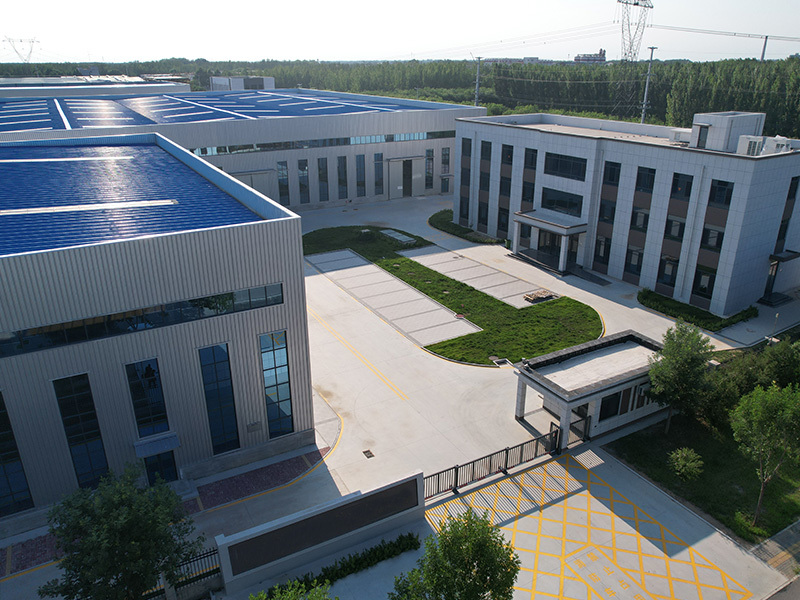
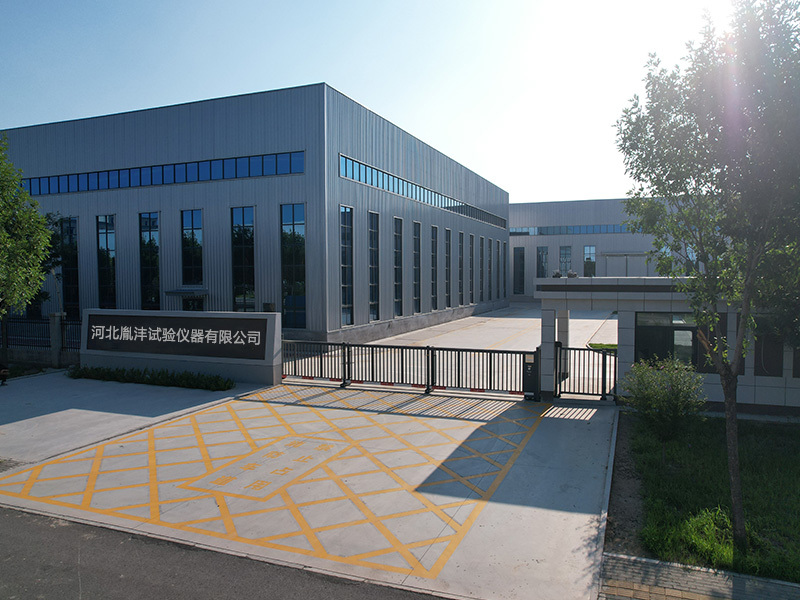
Hebei Yinfeng Experimental Instrument Co., Ltd. is a high-tech enterprise dedicated to the research and development, production, and sales of experimental instruments. The company is headquartered in Hebei Province, relying on the strong industrial foundation and technological innovation resources in the Beijing Tianjin Hebei region. It is committed to providing high-precision and high reliability testing equipment and solutions for material testing, engineering quality control, scientific research experiments and other fields.


Customized Delivery Process
We provide customers with full-process services ranging from pre-sale consultation, customized solution design, equipment installation and commissioning to after-sale technical support.
Online Communication
Provide Custom Drawings
Merchant Quotation
Sign A Contract
Processing And Production
Packaging And Distribution
Confirm Receipt Of Goods
Successful Transaction
Previous:
ZK-270 Vacuum Saturation Apparatus
If you need customized products, Contact US !
Share to


Category
Tag list
Request a Quote
We will contact you within one working day. Please pay attention to your email.
Related Products
Content update in progress
Message
We will contact you within one business day. Please note your email address.
Fast navigation
Contact Us
Whatsapp/Tel: +86-15931715356,+86 16631790555
E-mail: qcj@cnhblabequipment.com
Add: Chengnan Industrial Zone, Xian County, Cangzhou City, Hebei Province

Online Message