



- Product Describe
-
Scope of Application
This method is applicable to departments such as water resources and hydropower, geology and mineral resources, transportation, and construction in colleges and universities. It evaluates the abrasion resistance of natural and manufactured aggregates by determining the polishing value, thereby providing a basis for designing pavements with varying friction coefficient requirements.
Structural Composition
It consists of a machine base, a grinding power head, a variable-speed transmission system, an electrical control unit, and other components. The entire machine is easy to operate, with stable automatic feed performance.
Usage and Operating Steps
(1) Securely clamp the test specimen, ensuring symmetrical alignment on both sides and tight contact with the fixture.
(2) Retract both grinding heads until the worktable can move without the specimen striking the grinding wheels.
(3) Install the protective cover and turn on the water supply valve.
(4) Turn on the main power switch.
(5) Press the grinding head start button to rotate the grinding head in the direction of the arrow; reverse rotation is strictly prohibited.
(6) Press the worktable button.
(7) Manually feed the grinding heads to perform grinding; when automatic operation is required, simply push the handle to the “automatic” position. The two grinding heads operate independently to carry out the grinding process. Once grinding is complete, pull the handle back to the “manual” position and then perform several reciprocating passes to ensure the specimen surface is smooth and polished.
(8) After grinding is complete, retract the grinding head.
Operating Procedures
1. First, connect the power supply (ensure proper grounding), then briefly jog the grinding head of the double-end face grinder to verify that it rotates in the correct direction (in the direction of the arrow). If not, swap the two power supply wires.
2. Clamp the test piece flat on the worktable. Before powering on the machine, bring one end face of the test piece into close proximity—leaving a gap of a few millimeters—to the grinding wheel’s end face. Then turn on the machine and connect the water supply. Using the cross-feed mechanism, slowly advance the motor toward the test piece; when you hear a distinct sound, stop and make a fine feed adjustment before continuing the grinding operation. After each pass, make a very slight additional cross-feed; avoid feeding too much, as excessive feed can easily damage the grinding head (the ideal feed is 1 mm). Typically, two to three passes are sufficient to finish grinding a flat surface.
3. After completion, thoroughly clean the double-end face grinding machine and apply lubricant to prevent rust.
4. Note: The double-end face-grinding machine is pre-adjusted before shipment. If the ground surfaces at both ends are not parallel, adjust the four screws on the spindle base to align the grinding head and workpiece on the same horizontal plane; ensure that the distances on both sides are equal when measured with calipers. When replacing the grinding head, remove the guard cover, install the new grinding head, then reattach the guard cover and tighten the screws.
Main Technical Specifications
1. Worktable motor power: 0.55 kW; speed: 1,500 rpm
2. Grinding power: 1.1 kW × 2 units, speed: 2750 rpm
3. Grinding wheel diameter: Φ200 mm
4. Specimen grinding specifications: (The standard factory configuration includes fixtures for grinding 50–100 mm specimens.)
(1) Cubes: 50×50×50 to 150×150×150 mm
(2) Cylinders with diameters ranging from Φ50 to Φ150 mm
Precautions
1. Each time a specimen is clamped, the fixture and the specimen surface must be thoroughly rinsed; otherwise, residual contaminants will reduce the grinding accuracy of the specimen.
2. During automatic grinding, manual feed must never be applied at any time; otherwise, the specimen and the equipment may be damaged.
3. After automatic grinding is complete, do not stop the grinding head first; otherwise, the specimen surface may be scratched or fractured.
4. During grinding, ensure that the coolant flow is adequate; insufficient flow will accelerate wear of the diamond grinding wheel.
5. Do not strike or impact the diamond grinding wheel, as this will reduce its service life. Before use, the new grinding wheel must first be dressed on a standard corundum wheel to ensure sharp cutting performance.
6. If any abnormal noises occur during the grinding process, the machine must be stopped immediately for inspection.
7. Lubricate the reciprocating table and the grinding head guide rails before each operation.
8. At the end of operation, the worktable should be positioned as close to the center as possible; if it is parked at one side, the pressure plate will continuously press against the limit switch, leading to its failure.
Company Profile
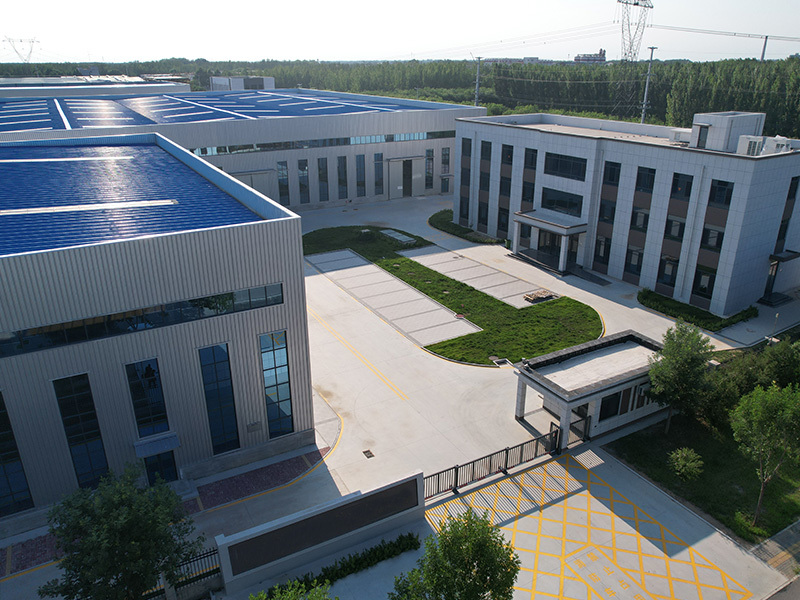
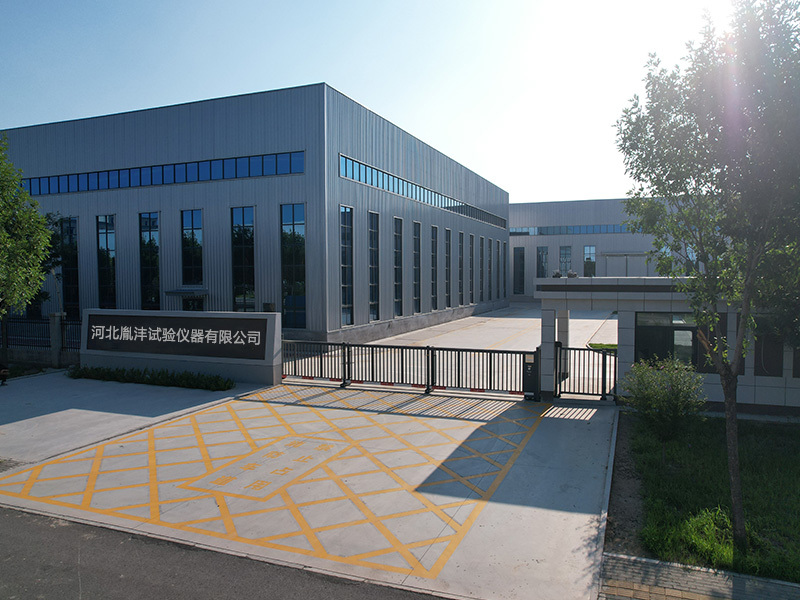
Hebei Yinfeng Experimental Instrument Co., Ltd. is a high-tech enterprise dedicated to the research and development, production, and sales of experimental instruments. The company is headquartered in Hebei Province, relying on the strong industrial foundation and technological innovation resources in the Beijing Tianjin Hebei region. It is committed to providing high-precision and high reliability testing equipment and solutions for material testing, engineering quality control, scientific research experiments and other fields.


Customized Delivery Process
We provide customers with full-process services ranging from pre-sale consultation, customized solution design, equipment installation and commissioning to after-sale technical support.
Online Communication
Provide Custom Drawings
Merchant Quotation
Sign A Contract
Processing And Production
Packaging And Distribution
Confirm Receipt Of Goods
Successful Transaction
Previous:
Double-end face grinding machine
If you need customized products, Contact US !
Share to


Tag list
Request a Quote
We will contact you within one working day. Please pay attention to your email.
Related Products
Content update in progress
Message
We will contact you within one business day. Please note your email address.
Fast navigation
Contact Us
Whatsapp/Tel: +86-15931715356,+86 16631790555
E-mail: qcj@cnhblabequipment.com
Add: Chengnan Industrial Zone, Xian County, Cangzhou City, Hebei Province

Online Message