



- Product Describe
-
Uses
This instrument is used to measure, under specified conditions, the change in length of carbonate aggregate specimens exposed to an alkaline solution, in order to determine whether the aggregate exhibits alkali reactivity when used as concrete aggregate.
Main Parameters
Measurement range: 25–50 mm; accuracy: 0.01 mm.
Standard rod length: 35 mm
Test Procedure
1. Sampling: To obtain representative test specimens, sampling should be conducted in directions where the rock exhibits different lithological characteristics within the same rock mass. If the bedding planes of the rock are indistinct, one specimen should be taken in each of three mutually perpendicular directions; after soaking in an alkaline solution, the specimen exhibiting the greatest swelling value should be selected, while the others should be discarded. The size of the rock samples shall comply with the requirements for specimen preparation.
2. Specimen Preparation: The specimens shall be cylindrical, with a diameter of 91 mm and a length of 35 ± 5 mm. During machining, care must be taken to prevent any deterioration of the specimen surface due to polishing or other processes, as such deterioration could affect the rate at which the alkaline solution penetrates the rock sample.
3. Specimen curing: After numbering the specimens, place them in bottles filled with distilled water and keep them in a constant-temperature chamber at 20±2℃. Every 24 hours, remove the specimens, wipe off the surface moisture, and measure their length until the difference between the two consecutive length measurements does not exceed 0.02% (typically requiring 2–5 days). The length measured at this final stage is taken as the reference length. Subsequently, immerse the specimens whose reference lengths have been measured in bottles containing 1 N sodium hydroxide solution, ensuring that the solution level exceeds the top of each specimen by at least 1 cm; the average volume of solution per specimen shall be no less than 50 ml. Do not immerse specimens of different types in the same bottle. After tightly sealing the bottles, store them in a constant-temperature chamber at 20±2℃, replacing the solution every six months.
4. Specimen length measurement: Length measurements shall be conducted in a constant-temperature chamber maintained at 20±2°C. The orientation of each specimen during length measurement must remain consistent throughout the entire testing process. When taking specimens out of the bottle for measurement, they shall first be rinsed in distilled water, then the surface moisture shall be carefully blotted dry before measurement is performed. The age for length measurement is calculated from the moment the specimen is immersed in the alkaline solution; measurements shall be taken at 7, 14, 21, and 28 days, and thereafter every 4 weeks for one month. If testing is to continue beyond one year, measurements shall be taken every 12 weeks.
5. Observation and Recording: During the soaking period, the test specimen shall be observed for any changes in its appearance, such as cracking, bending, or fracture, and these observations shall be recorded.
Processing of Test Results
1. The change in specimen length shall be calculated according to the formula (to 0.001%):
Lo L-Lo x100
In the formula, Lt represents the rate of change in the length of the test specimen after being immersed for t days, in millimeters;
Lo—reference length of the test piece, in mm
Note: Measurement accuracy requirements: For a single tester using the same instrument to measure the same test specimen, the measurement error shall not exceed ±0.02%; for multiple testers using the same instrument to measure the same test specimen, the inter-tester difference shall not exceed ±0.03%.
2. Result Evaluation: When the expansion rate of a specimen cured for 84 days exceeds 0.1%, the rock sample shall be classified as hazardously reactive and shall not be used as concrete aggregate; where necessary, the final evaluation shall be based on the results of concrete tests.
Company Profile
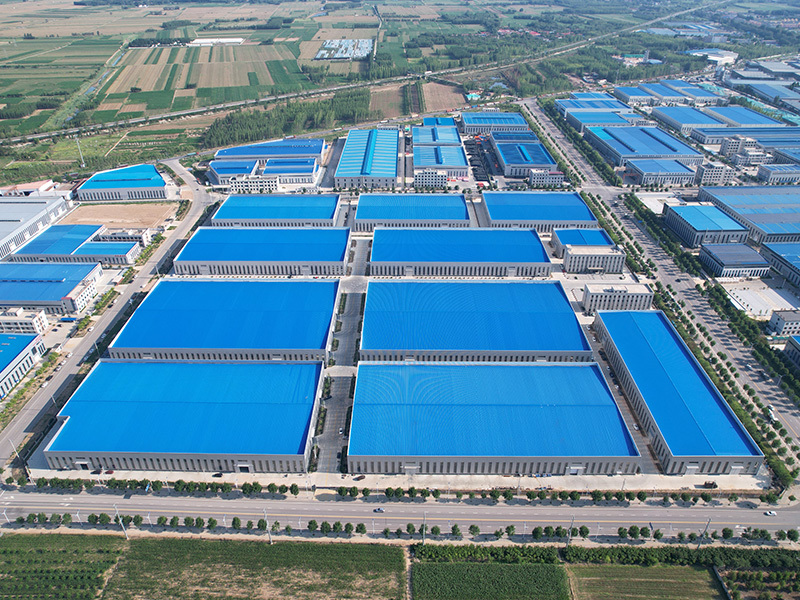
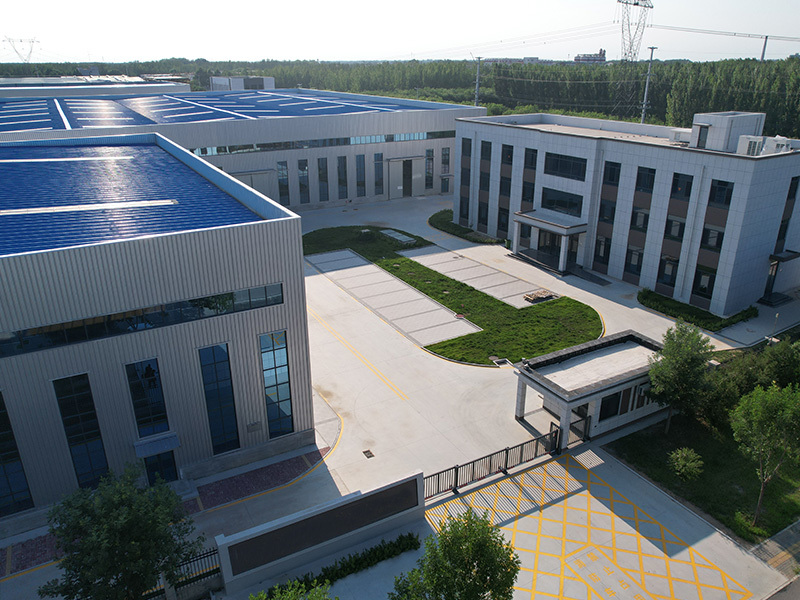
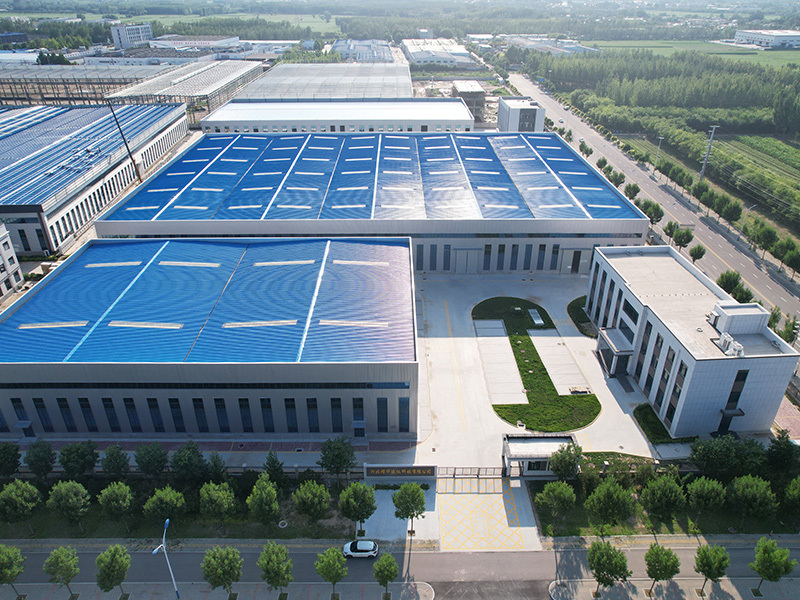
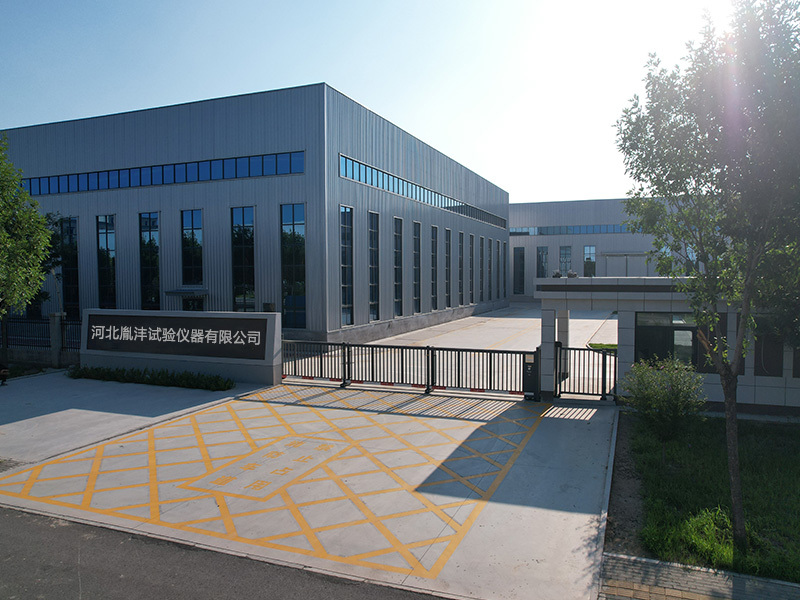
Hebei Yinfeng Experimental Instrument Co., Ltd. is a high-tech enterprise dedicated to the research and development, production, and sales of experimental instruments. The company is headquartered in Hebei Province, relying on the strong industrial foundation and technological innovation resources in the Beijing Tianjin Hebei region. It is committed to providing high-precision and high reliability testing equipment and solutions for material testing, engineering quality control, scientific research experiments and other fields.
Customized Delivery Process
We provide customers with full-process services ranging from pre-sale consultation, customized solution design, equipment installation and commissioning to after-sale technical support.
Online Communication
Provide Custom Drawings
Merchant Quotation
Sign A Contract
Processing And Production
Packaging And Distribution
Confirm Receipt Of Goods
Successful Transaction
Previous:
Rock column method versus length meter
If you need customized products, Contact US !
Share to


Tag list
Request a Quote
We will contact you within one working day. Please pay attention to your email.
Related Products
Content update in progress
Message
We will contact you within one business day. Please note your email address.
Fast navigation
Contact Us
Whatsapp/Tel: +86-15931715356,+86 16631790555
E-mail: qcj@cnhblabequipment.com
Add: Chengnan Industrial Zone, Xian County, Cangzhou City, Hebei Province

Online Message