



- Product Describe
-
Scope of Application
This method is applicable to the determination of the content of cohesive soil or impurities in fine aggregates, thereby assessing the cleanliness of the aggregate; the sand equivalent is denoted by SE.
This method is applicable to natural sand, manufactured sand, and stone chips used in asphalt mixtures and cement concrete, provided that the maximum aggregate size does not exceed 4.75 mm (5 mm on a round-hole sand sieve).
Sample Preparation
Pass the sample through a 4.75 mm aperture sieve (5 mm round-hole sieve) to remove the coarse fraction retained on the sieve, ensuring that the sample mass is not less than 150 g. If the sample is excessively dry, moisten it slightly with a small amount of water before sieving. When using a rubber-tipped hammer to break up soil clods and inadvertently entrapping unseparable impurities within the coarse fraction, such impurities shall be washed away, and the recovered fine particles shall be returned to the sample.
Determine the moisture content of the test specimen; during both the moisture-content determination and the sampling tests, the test specimen must not lose any moisture. Since the specimen has been moistened with water, its moisture content shall be determined in accordance with the current method for moisture-content determination, with the result expressed as the average of two determinations and accurate to 0.1%. Test specimens that have undergone moisture-content determination shall not be used for subsequent testing.
Weigh the wet mass of the sample, and based on the determined moisture content w, calculate the wet mass m₁ of the sample equivalent to 120 g of dry sample, accurate to 0.1 g.
SE=120×(100+W)/100
In the formula: W — Moisture content of the aggregate sample, %
m₁—mass of the moist sample in grams, corresponding to a 120 g dry sample.
Chemical reagent preparation :
Preparation of High-Concentration Calcium Chloride Solution
Prepare the solution by mixing anhydrous calcium chloride (in grams) with distilled water (in milliliters) at a ratio of 1:2. Calcium chloride is exothermic upon dissolution, causing the solution temperature to rise; after allowing the solution to cool to room temperature, filter it through filter paper to remove insoluble impurities, and then store the filtered solution for later use. The resulting solution contains 410 g/L of calcium chloride.
Anhydrous calcium chloride, 111 ± gl, analytical grade, 96% purity.
Glycerol: 480 ± 5 g, analytical grade, 98% purity.
Formaldehyde: 12–13 g, analytical grade, 36% concentration.
Preparation of 1 L of concentrated solution:
① Use a graduated cylinder to measure 272 mL of high-concentration calcium chloride solution.
② Weigh out 484.8 g of glycerol.
③ Weigh out 13.6 g of formaldehyde.
④ Transfer the above three reagents into a 1-L graduated cylinder, and rinse the containers that held the three reagents three times each with small amounts of distilled water, collecting the rinse water in the graduated cylinder each time. Finally, add distilled water to the 1-L mark.
⑤ Pour the prepared 1 L solution into a 2 L graduated cylinder, mix thoroughly, and transfer to a sealed container for storage as the concentrated stock solution for the experiment.
Take 125 ± 1 mL of the concentrated solution for testing and transfer it into a 5-L plastic bucket; then dilute it with distilled water to a final volume of 5 ± 0.005 L.
Test Procedure
Use the flushing tube to draw the flushing solution into the test cylinder until it reaches the 100 mm mark at the bottom (approximately 80 ml of flushing solution is required).
Carefully pour the wet sample, weighing 120 g ± 1 g of dry material, into the upright test cylinder using a funnel.
Repeatedly tap the lower part of the test cylinder with the palm of your hand to remove air bubbles and ensure rapid wetting of the sample, then allow it to stand for 10 minutes.
Allow to stand for 10 minutes. Upon completion, insert the rubber stopper into the test cylinder, then hold the cylinder horizontally with your hand and perform shaking—using only wrist motion, without swinging the entire arm—maintaining an amplitude of 230 ± 25 mm. Shake for 30 ± 1 seconds, completing a total of 90 cycles. Finally, place the cylinder vertically on the test bench and unscrew the rubber stopper.
Insert the rinsing tube into the test cylinder, use the rinsing solution to flush off the aggregate adhering to the cylinder wall, then gradually lower the rinsing tube to the bottom of the cylinder while slowly rotating it. Simultaneously raise the rinsing tube at a uniform and slow rate to bring suspended fine soil particles and impurities from the aggregate surface to the surface of the solution until the solution reaches the 380 mm mark.
Withdraw the flushing tube from the liquid surface so that the liquid level reaches the 380 mm mark, then shut off the flow in the flushing tube and start the stopwatch. Allow the system to stand undisturbed for 20 ± 15 seconds.
7. After allowing the mixture to stand for 20 minutes, use a ruler to measure the height (H₁) from the bottom of the test cylinder to the liquid surface above the flocculent precipitate; if possible, also measure the height (H₂) from the bottom of the test cylinder to the sediment layer, accurate to 1 mm.
8. Slowly lower the weighted piston into the test cylinder until it contacts the sediment, then tighten the sleeve screw. Align the zero mark of the scale with the bottom surface of the piston, read the sediment height H₂ from the top of the sleeve to the nearest 1 mm, and record the temperature inside the test cylinder to the nearest 1°C.
9. Conduct parallel tests on two test specimens according to the above steps.
Result Calculation
1. Sand equivalent value of the specimen: SE = h₂/h₁ × 100
In the formula: SE – Sand Equivalent of the specimen
h₂—height of the aggregate sediment in the test cylinder as measured with a piston
h₁--Total height of flocculent flocs and precipitates in the test cylinder
2. Visual sand equivalent of the specimen: SEV = h′₂/h₁ × 100
In the formula: SEV is the visual sand equivalent of the test specimen.
h₁—Total height of flocculent flocs and precipitates in the test cylinder, in mm
Visual height of the aggregate sediment in the h′₂ test cylinder, in mm
3. Aggregate shall be tested in duplicate in parallel. The sand equivalent (SE) or SEV of the aggregate is the average of the two parallel determinations, with the value obtained by the piston method taken as the final result and reported as an integer.
For specific procedures, refer to the “Fine Aggregate Sand Equivalent Test” section of T0334-94 in the Ministry of Transport’s Industry Standard, “Test Procedures for Aggregates in Highway Engineering,” JTJ0.8-94.
Note: During installation of the counterweight piston, the distance from the bottom of the piston to the bottom of the counterweight shall be maintained at 430 ± 1 mm.
Packing List
Test cylinder, one piece
One rubber clamp tube
One counterweight piston
One flushing pipe
Siphon tube, one
One instruction manual
One certificate of conformity
All other test equipment, instruments, and reagents required for the tests shall be provided by the applicant.
Company Profile
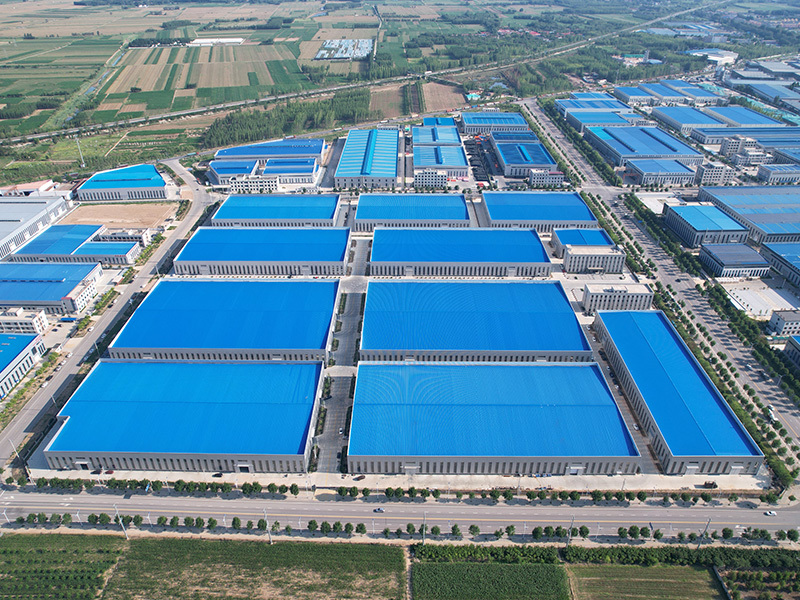
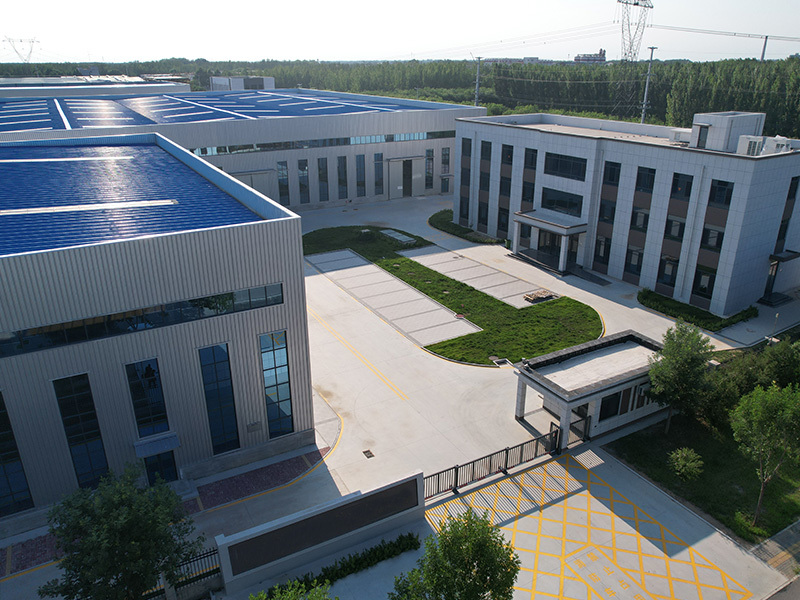
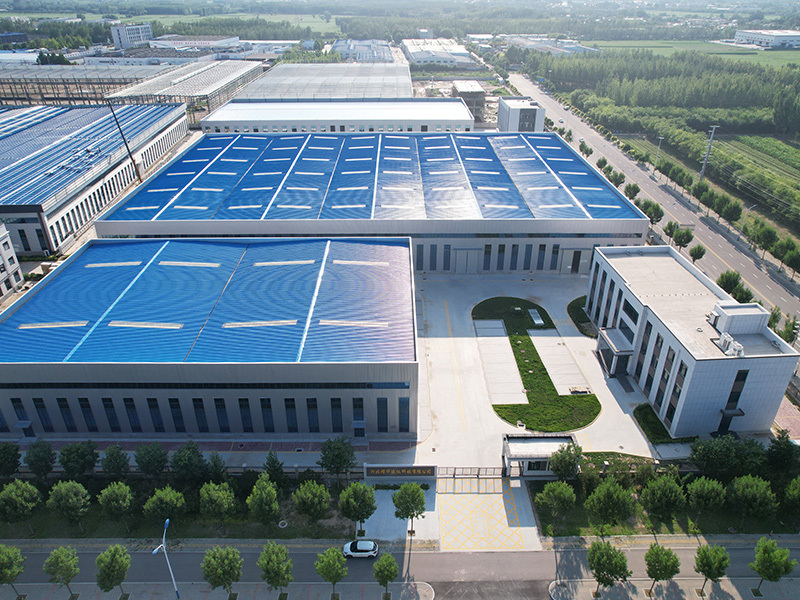
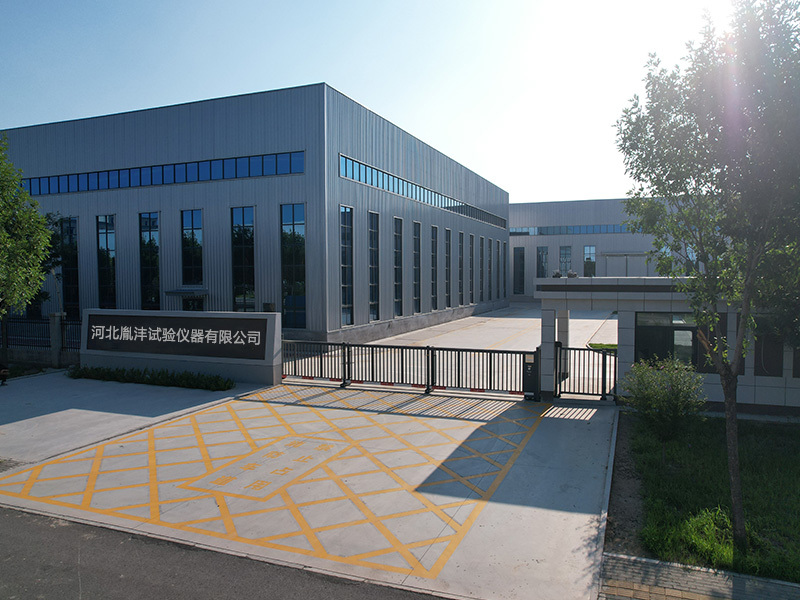
Hebei Yinfeng Experimental Instrument Co., Ltd. is a high-tech enterprise dedicated to the research and development, production, and sales of experimental instruments. The company is headquartered in Hebei Province, relying on the strong industrial foundation and technological innovation resources in the Beijing Tianjin Hebei region. It is committed to providing high-precision and high reliability testing equipment and solutions for material testing, engineering quality control, scientific research experiments and other fields.
Customized Delivery Process
We provide customers with full-process services ranging from pre-sale consultation, customized solution design, equipment installation and commissioning to after-sale technical support.
Online Communication
Provide Custom Drawings
Merchant Quotation
Sign A Contract
Processing And Production
Packaging And Distribution
Confirm Receipt Of Goods
Successful Transaction
Previous:
Electric Sand Equivalent Tester
If you need customized products, Contact US !
Share to


Category
Tag list
Request a Quote
We will contact you within one working day. Please pay attention to your email.
Related Products
Content update in progress
Message
We will contact you within one business day. Please note your email address.
Fast navigation
Contact Us
Whatsapp/Tel: +86-15931715356,+86 16631790555
E-mail: qcj@cnhblabequipment.com
Add: Chengnan Industrial Zone, Xian County, Cangzhou City, Hebei Province

Online Message