


Understanding the Concrete Rebound Tester: A Key Tool for Assessing Surface Hardness
Release time:
2025-12-25
The Concrete Rebound Tester, often referred to as a Schmidt hammer, is a non-destructive testing device used to assess the hardness and compressive strength of concrete surfaces. This tool operates on the principle of rebound, measuring the distance a spring-loaded hammer bounces back after impacting the concrete surface. The rebound distance is then correlated to the concrete's compressive streng
The Concrete Rebound Tester, often referred to as a Schmidt hammer, is a non-destructive testing device used to assess the hardness and compressive strength of concrete surfaces. This tool operates on the principle of rebound, measuring the distance a spring-loaded hammer bounces back after impacting the concrete surface. The rebound distance is then correlated to the concrete's compressive strength, allowing engineers and technicians to make informed decisions regarding the integrity of structures.
One of the primary advantages of using the Concrete Rebound Tester is its non-destructive nature. Unlike traditional methods, which may require core drilling or other invasive techniques, this instrument allows for quick and effective assessments without damaging the concrete. This feature is particularly beneficial in situations where preserving the integrity of the structure is crucial, such as historical buildings or ongoing construction projects.
Furthermore, the Concrete Rebound Tester is lightweight and portable, making it accessible for field tests. It enables users to conduct multiple assessments in various locations efficiently, saving both time and resources. This ease of use is complemented by the device's straightforward operation, requiring minimal training for personnel to obtain reliable results.
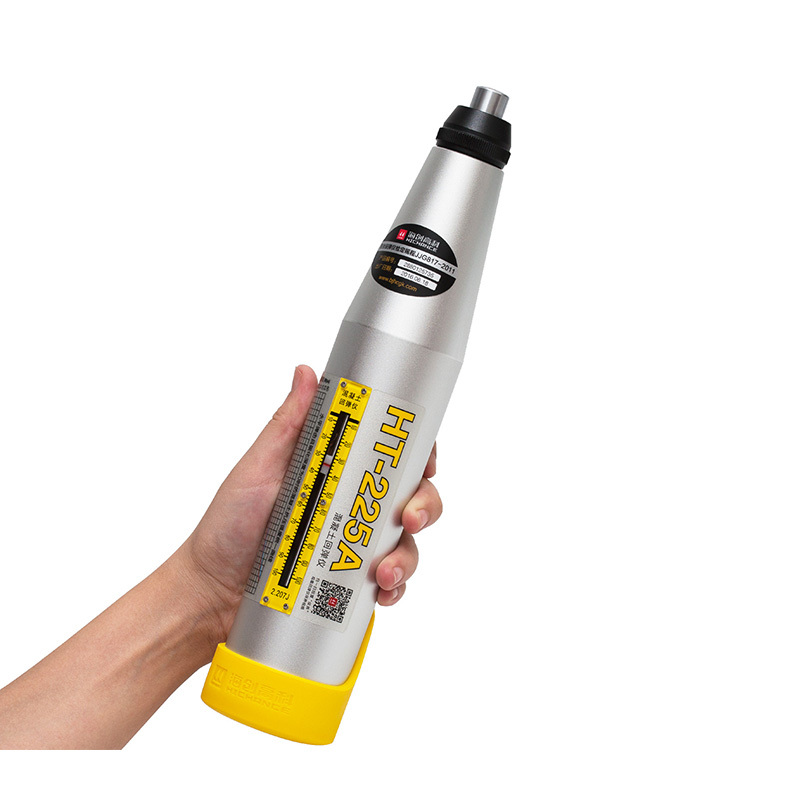
The data gathered from the Concrete Rebound Tester can significantly enhance quality control during the concrete pouring process. By regularly measuring the hardness of the concrete, engineers can ensure that the material reaches the necessary strength before proceeding with further construction activities. This proactive approach not only helps in maintaining safety standards but also contributes to the longevity and durability of the structure.
Additionally, the Concrete Rebound Tester can be utilized in conjunction with other testing methods to provide a more comprehensive analysis of concrete quality. For instance, combining rebound hardness measurements with core samples or other strength tests can offer a fuller picture of the material's performance, allowing for better-informed decisions in engineering and construction practices.
In summary, the Concrete Rebound Tester is an invaluable tool in the construction industry, providing quick, reliable, and non-destructive assessments of concrete hardness. Its portability, ease of use, and ability to contribute to effective quality control make it a preferred choice among professionals. By incorporating this instrument into their testing protocols, engineers can ensure that their concrete structures meet the required standards for safety and durability, ultimately leading to successful project outcomes.
Keyword:
Related News
Porn Categories on B2B Lab Sites: 2026 Compliance & Blocking Guide
This guide explains what porn categories are, why they are dangerous for B2B lab equipment websites, and how to audit, block, and prevent adult-content keyword spam. It is written for manufacturers like Hebei Yinfeng Experimental Instrument who need clean E-E-A-T signals and compliant search performance.
2026-11-20
2026 Guide: How to Manage Unwanted porn categories Traffic Risk for Lab Equipment Sites
Many industrial lab equipment websites unknowingly receive low-intent, misaligned traffic tied to generic category label matches that fall under the umbrella of porn categories, a high-risk search segment. This traffic inflates bounce rates, wastes ad spend, and erodes Google’s trust in your content relevance. From 8 years of SEO experience supporting Hebei Yinfeng Experimental Instrument’s global B2B customer base, this guide breaks down 2026 best practices to audit, block, and monitor these mismatched queries without impacting core product rankings for analytical lab testing equipment.
2026-11-19
2026 Complete Guide to Lab Testing Equipment Categories | B2B Selection Reference
This comprehensive 2026 reference covers the full taxonomy of lab testing equipment categories used across manufacturing, material science, environmental monitoring, and quality inspection labs. Drawing from 12 years of on-site manufacturing and client service experience at Hebei Yinfeng Experimental Instrument, it explains core category differences, applicable test scenarios, key performance indicators, and common procurement pitfalls, to help lab managers and procurement teams make objective, cost-effective equipment choices.
2026-11-18
The Science Behind Universal Testing Machine Calibration: Ensuring Precision in Material Testing
The Science Behind Universal Testing Machine Calibration Table of Contents Introduction to Universal Testing Machines Importance of Calibration in Material Testing Understanding the Calibration Process Types of Calibration for Universal Testing Machines Standards and Regulations in Calibration Consequences of Uncalibrated Testing Machines Best Practices for Effective Calibration
2026-11-17
Porn Categories 2026: Lab Testing & Compliance Framework for Digital Moderation
As global digital content regulation tightens in 2026, lab teams testing content moderation systems require clear, standardized frameworks to segment sensitive content groups, including the adult content classifications referred to as porn categories. This guide outlines industry segmentation standards, required lab equipment specifications, performance benchmarks, and common mitigation strategies for compliance testing. It draws on 12+ years of experience supplying calibrated lab instruments to global content testing facilities, with insights from real-world customer deployment cases.
2026-11-17
Message
We will contact you within one business day. Please note your email address.
Fast navigation
Contact Us
Whatsapp/Tel: +86-15931715356,+86 16631790555
E-mail: qcj@cnhblabequipment.com
Add: Chengnan Industrial Zone, Xian County, Cangzhou City, Hebei Province



Online Message