



- Product Describe
-
- Overview
This instrument is a specialized device designed to separate all the asphalt from asphalt mixtures. It’s a new domestic product developed by our factory based on the digestion and absorption of foreign products.
This instrument complies with the latest standards and is primarily used by road traffic engineering departments for determining asphalt content. It is a rapid testing device that utilizes the centrifugal force generated by the high-speed rotation of the equipment to separate asphalt from the mixture at a rate 10 times faster than conventional methods. Compared to traditional distillation techniques, this method offers significant advantages and is ideally suited for on-site rapid testing by construction supervisors in road engineering projects as well as by asphalt mixture manufacturers.
- Main features
This instrument features stepless speed regulation and boasts advantages such as fast separation speed, simple detection procedures, energy savings, stable performance, light weight, compact size, and low noise.
- Main Technical Parameters
1. Bowl capacity: 3 kg / (1.5) kg
2. Power: 370W
3. Voltage: 220V
4. Rotational speed: 1300-3000 rpm
5. Overall machine weight: 45 kg
6. External dimensions: 450mm x 350mm x 550mm
- Main structure
This instrument mainly consists of a base, a motor, a rotating料 bowl, a collector, and electronic control and braking mechanisms. During operation, the motor directly drives the料 bowl to rotate, generating centrifugal force that flings the asphalt solution—already dissolved in a solvent—through filter paper, thereby separating the asphalt from the mineral aggregate and allowing its content to be determined.
- Instructions and Steps
1. Preparatory work
(1) According to T07722-93 Asphalt Mixture Content Test (Centrifugal Separation Method), take asphalt mixture samples from delivery trucks at the mixing plant, place them in a metal pan, and mix thoroughly. When the temperature reaches approximately 100℃, use a large beaker to collect a mixture sample weighing about 1000 g (M) (use the upper limit for coarse-grained asphalt mixtures, the lower limit for fine-grained mixtures, and the middle limit for medium-grained mixtures), accurate to 0.1 g.
(2) If samples are obtained from the road using drilling or cutting methods, they should be thoroughly dried by blowing them with an electric fan. Then, place the samples in a microwave oven or oven and heat them appropriately until they become loose before sampling. However, do not use a hammer to avoid crushing the aggregates.
2. Test Procedure
- Pour a solution of trichloroethylene (industrial grade) into the beaker containing the sample (or directly into the material-holding bucket), immerse the specimen completely, and record the amount of solvent used. After soaking for 30 minutes, gently stir the mixture with a glass rod to ensure that the asphalt dissolves thoroughly.
(2) Pour the mixture and the solution into the mixing bucket, and use a small amount of solvent to transfer all the residue adhering to the beaker and glass rod into the mixing bucket.
(3) Weigh a clean, circular filter paper to an accuracy of 0.01 g. (Note: The filter paper should not be reused multiple times; if stone powder has adhered to it, use a brush to remove it thoroughly.)
(4) Place filter paper on the rim of the material-holding bucket. Secure the lid tightly. Under the drain port of the outer casing, place a recovery bottle with a capacity greater than 1700 ml, and close the liquid-addition port on the outer casing’s upper cover.
(5) Connect the power supply, start the motor, and turn the knob to gradually increase the rotational speed of both the motor and the material-holding drum to above 300 r/min. At this point, the asphalt solution will be injected into the recovery bottle through the drainage port; once the flow has completely stopped, shut down the machine.
(6) Add a new solution through the liquid addition port on top of the cover, using an equal amount each time. After letting it sit for about 5 minutes, repeat the “5” operation described above. Continue this process several times until the effluent solution becomes clear and pale yellow.
(7) Shut down the equipment. Remove the upper cover and the lid of the material-holding bucket. Then carefully remove the annular filter paper, allow it to air-dry in a fume hood or indoors, and subsequently place it in an oven set at 105℃ ± 5℃ for drying. Weigh the dried filter paper; the increase in weight (m) represents a portion of the mineral powder.
(8) Carefully remove the aggregate from the material bucket, evaporate it in a fume hood or indoors, and then place it in an oven set at 105℃ ± 5℃ to dry (typically requiring 4 hours). Afterwards, transfer the aggregate to a large desiccator and allow it to cool to room temperature. Weigh the mass of the aggregate (m1).
(9) Use a pressure filter to recover the bitumen solution from the bottle; the increase in weight, m, of the filtrate represents the amount of mineral powder that has leaked into the filtrate. If a pressure filter is unavailable, the combustion method can also be used for determination. - The steps for determining the mass of mineral powder in the extract are as follows:
a. Pour the extract from the recycled bottles into a graduated cylinder and accurately measure the volume to m1 (Va).
b. Thoroughly mix the extraction solution, transfer 10 ml (Vb) into a crucible, and heat it appropriately on a hot bath until the solution-sample turns dark black. Then, place the crucible in a high-temperature furnace (500℃–600℃) to ash the residue. Remove the crucible and allow it to cool.
c. Add a saturated ammonium carbonate solution to the crucible at a ratio of 5 ml per 1 g of residue. Allow it to stand for 1 hour, then place it in an oven set at 105℃ ± 5℃ and dry it.
d. Remove the sample and cool it in a desiccator, then weigh the mass of the residue (m4).
3. Calculation Method
Calculation of the total mass of mineral powder in asphalt mixture: m4 = m1 + m2 + m3
In the formula: m4 – the total mass (g) of the mineral aggregate portion in the asphalt mixture
m1—Dry mass of aggregate remaining in the material hopper (g)
m2—Weight gain (g) of the annular filter paper before and after the test
m3—Mass of mineral powder leaked into the extraction liquid (g)Calculate using the combustion method.

In the formula: Va – total volume of the extractant (ml)
Vb—Amount of combustion-dried extract obtained (ml)
m4—Mass (g) of the dried residue burned in the crucible
Calculation of Asphalt Content in Asphalt Mixtures

In the formula: m – the total mass of the asphalt mixture (g)
Asphalt Content (%) of Pb-Asphalt Mixture
Pa - Asphalt Mixture Oil-Stock Ratio (%)
Oil-to-stone ratio calculation

- Experimental results
For the same asphalt mixture sample, at least two parallel tests shall be conducted, and the average value shall be taken as the experimental result. The difference between the two test results should be less than 0.3%. If the difference is greater than 0.3% but less than 0.5%, an additional parallel test should be performed. The average of the three test results shall be taken as the final experimental result, and the difference between the maximum and minimum values among the three tests must not exceed 0.5%.
- Operating instructions
(1) Take two pieces of circular filter paper, place them in an oven at 100–110℃, weigh them, and record the weights.
(2) Open the collector lid, unscrew the locking bolt counterclockwise, remove the feed bowl cover, and clean the feed bowl thoroughly.
(3) Take 1000 g of asphalt mixture and place it in a container. Add 200–300 ml of trichloroethylene solvent, soak for about 1 hour, and gently stir the mixture with a glass rod to ensure thorough dissolution.
(4) Place the料碗 onto the vertical shaft, and position the filter paper between the料碗 and its lid (making sure to align the filter paper with the outer diameter of the料碗 lid). Then, use your hands to tighten the locking bolt as much as possible (absolutely no use of tightening tools). Next, securely tighten the screws on the collector lid (and check to ensure they are not loose).
(5) Connect the power plug and turn on the power switch. A digital display reading “000” indicates normal operation. Press the start button and repeat the separation process until a clear, pale-yellow solution begins to flow out from the drainage port.
(6) After separation is complete, unscrew the collection cover, remove the locking bolt, and gently take off the料碗 and its lid. Place them on a clean work surface. Use the料碗 to transfer the mineral material along with the filter paper into a dry container (tray). Be sure not to lose any of the samples.
(7) Place the separated mineral particles and filter paper in an oven set at 100–110℃ to dry.
Note: The weighing accuracy is 0.1 g.
The weight of the asphalt separated is equal to the difference between the weights of the two filter papers before and after use, plus the difference between the weight of the separated mineral aggregate and the weight of the original sample.
- Points to Note and Maintenance
(1) Filter paper must not be reused to ensure testing accuracy.
(2) Before use, check whether the centrifuge is rotating smoothly, whether the main unit is swinging steadily, and whether the locking bolts on the collector lid are securely fastened. Only after carefully reading the instruction manual should you proceed with operation.
Packing List
1 Power cord 1 root 2 Neutral filter paper 5 sheets 3 Instructions 1 serving 4 Certificate of Qualification 1 sheet
Company Profile
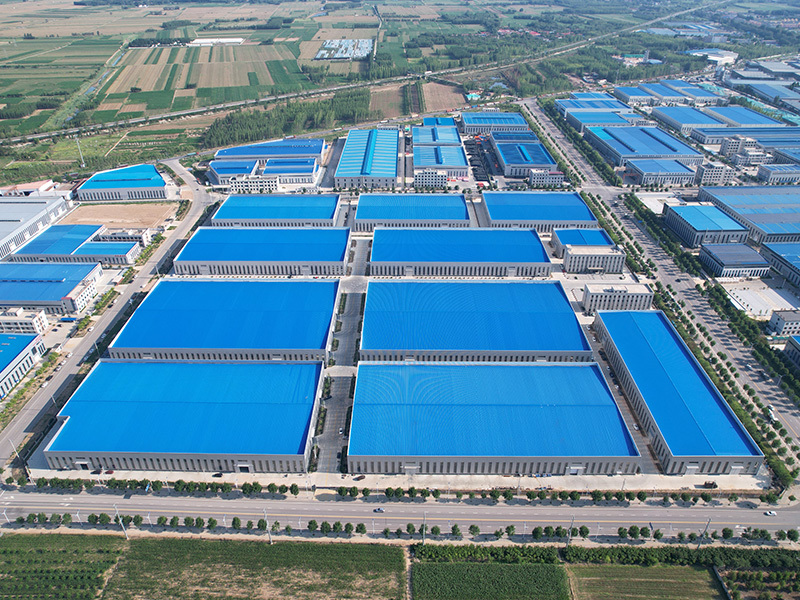
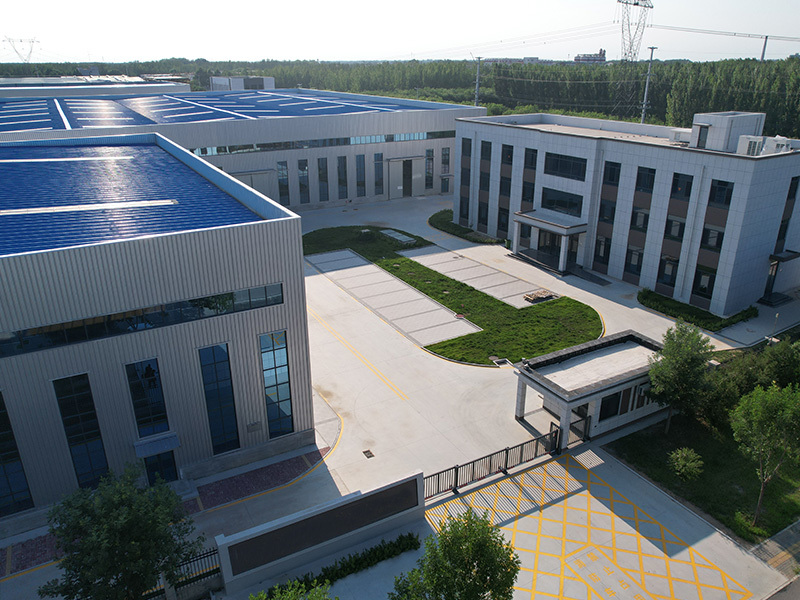
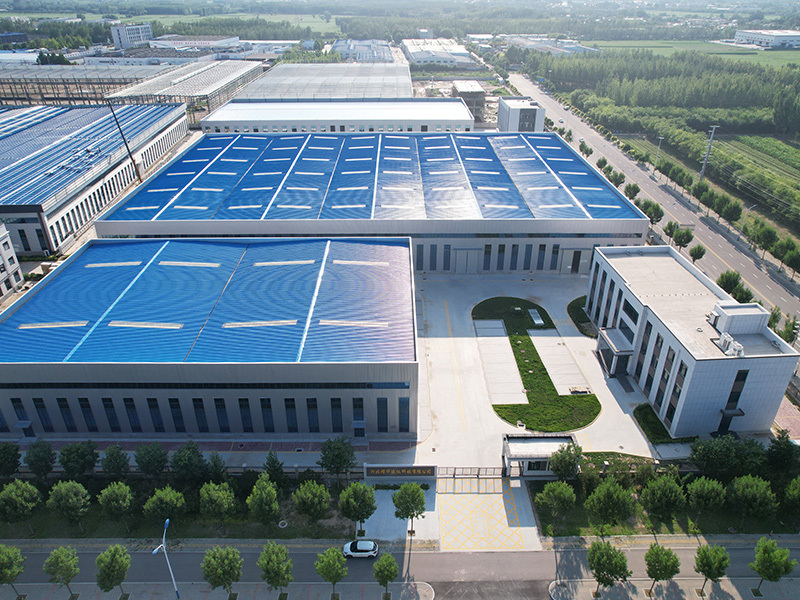
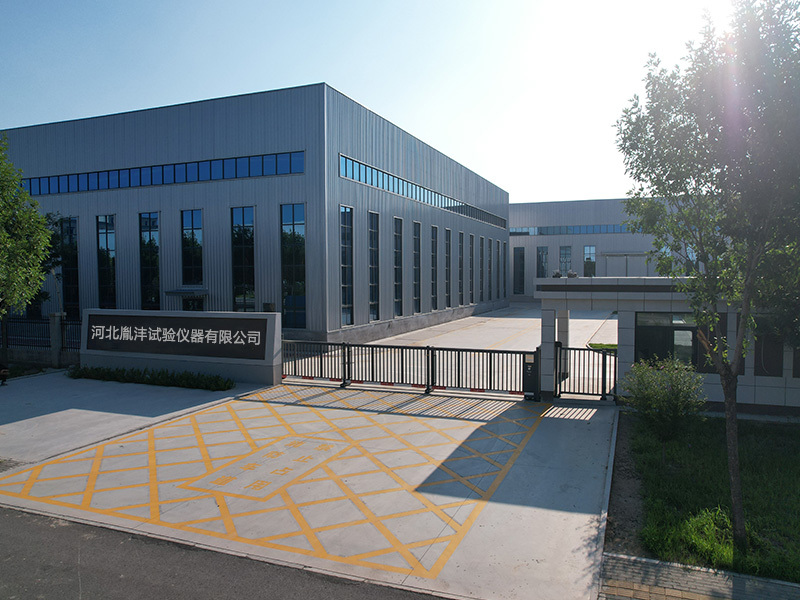
Hebei Yinfeng Experimental Instrument Co., Ltd. is a high-tech enterprise dedicated to the research and development, production, and sales of experimental instruments. The company is headquartered in Hebei Province, relying on the strong industrial foundation and technological innovation resources in the Beijing Tianjin Hebei region. It is committed to providing high-precision and high reliability testing equipment and solutions for material testing, engineering quality control, scientific research experiments and other fields.
Customized Delivery Process
We provide customers with full-process services ranging from pre-sale consultation, customized solution design, equipment installation and commissioning to after-sale technical support.
Online Communication
Provide Custom Drawings
Merchant Quotation
Sign A Contract
Processing And Production
Packaging And Distribution
Confirm Receipt Of Goods
Successful Transaction
Previous:
Asphalt Extractor
If you need customized products, Contact US !
Share to


Category
Tag list
Request a Quote
We will contact you within one working day. Please pay attention to your email.
Related Products
Content update in progress
Message
We will contact you within one business day. Please note your email address.
Fast navigation
Contact Us
Whatsapp/Tel: +86-15931715356,+86 16631790555
E-mail: qcj@cnhblabequipment.com
Add: Chengnan Industrial Zone, Xian County, Cangzhou City, Hebei Province

Online Message