



- Product Describe
-
Asphalt Brittle Point Tester Instruction Manual
I. Purpose and Principle of the Instrument
The ductility test for asphalt is an unconventional test that has not yet been incorporated into standard specifications. As the temperature of asphalt materials decreases, they gradually transition from a viscous-plastic state to an elastic-brittle state. Consequently, their plasticity diminishes while their brittleness increases. This instrument is designed specifically to determine the brittle point of asphalt at low temperatures.
This testing instrument involves coating a specific metal sheet with a thin layer of asphalt. Inside an insulated container equipped with a cooling device, the metal sheet is bent by means of a handle. As the temperature decreases, the temperature of the asphalt film also gradually drops. When the temperature reaches a certain point and the asphalt film fractures under the specified bending conditions (as indicated by an alcohol thermometer), that temperature is defined as the asphalt’s brittle point.
II. Instrument Structure
Structural diagram:
The instrument consists of parts such as a base, an insulation cylinder, a thermometer, a lower clamp plate, an upper clamp head, a fixing rod, a movable rod, a pedestal, a guide rail, a slider, and a handle.
The base is the support for the instrument.
The thermal insulation cylinder is a double-walled glass cylinder used to hold a mixture of solid carbon dioxide (dry ice) and ethanol; it serves as the instrument’s cooling device.
Fixed metal plates used for the lower clamp and upper chuck.
The fixed rod and the movable rod are made of cloth-reinforced adhesive tape, overcoming the shortcomings of the original metal-tube asphalt brittleness tester’s instruction manual.
I. Purpose and Principle of the Instrument
The ductility test for asphalt is an unconventional test that has not yet been incorporated into standard specifications. As the temperature of asphalt materials decreases, they gradually transition from a viscous-plastic state to an elastic-brittle state. Consequently, their plasticity diminishes while their brittleness increases. This instrument is designed specifically to determine the brittle point of asphalt at low temperatures.
This testing instrument involves coating a specific metal sheet with a thin layer of asphalt. Inside an insulated container equipped with a cooling device, the metal sheet is bent by means of a handle. As the temperature decreases, the temperature of the asphalt film also gradually drops. When the temperature reaches a certain point and the asphalt film fractures under the specified bending conditions (as indicated by an alcohol thermometer), that temperature is defined as the asphalt’s brittle point.
II. Instrument Structure
Structural diagram:
The instrument consists of parts such as a base, an insulation cylinder, a thermometer, a lower clamp plate, an upper clamp head, a fixing rod, a movable rod, a pedestal, a guide rail, a slider, and a handle.
The base is the support for the instrument.
The thermal insulation cylinder is a double-walled glass cylinder used to hold a mixture of solid carbon dioxide (dry ice) and ethanol; it serves as the instrument’s cooling device.
Fixed metal plates used for the lower clamp and upper chuck.
The fixed rod and the movable rod are made of cloth-reinforced adhesive tape, overcoming the issue of initial oscillation in the handle of the original metal tube. The speed of swinging the handle is controlled at five revolutions per second. At this speed, the slider rises from the first step to the second step, with a height difference of 3.5 millimeters. Simultaneously, the steel strip bends into an arc shape. Then, at the same speed, the handle is swung back in the opposite direction, returning to its original position (the first step), where the steel strip straightens out again.
For every 10°C decrease in temperature, repeat the above steps once.
8. The temperature at which cracks first appear in the specimen is defined as the brittle point of that asphalt sample.
9. Record the experimental results in the table below.
Test Number Sample Source Trial Name Proposed Use Number of trials Sample weight (grams) Cooling rate (℃/minute) Start handle temperature (℃) Brittleness (℃) Average 1
2
3
Tester: Date: Reviewer: Date:
IV. Instructions
1. The arithmetic mean of three parallel trials shall be taken as the brittle point for each determination.
The difference in crispness shall not exceed 30°C.
2. Each instrument is equipped with four stainless steel sheets, which must be flattened and stored in the dry instrument case when not in use.
Company Profile
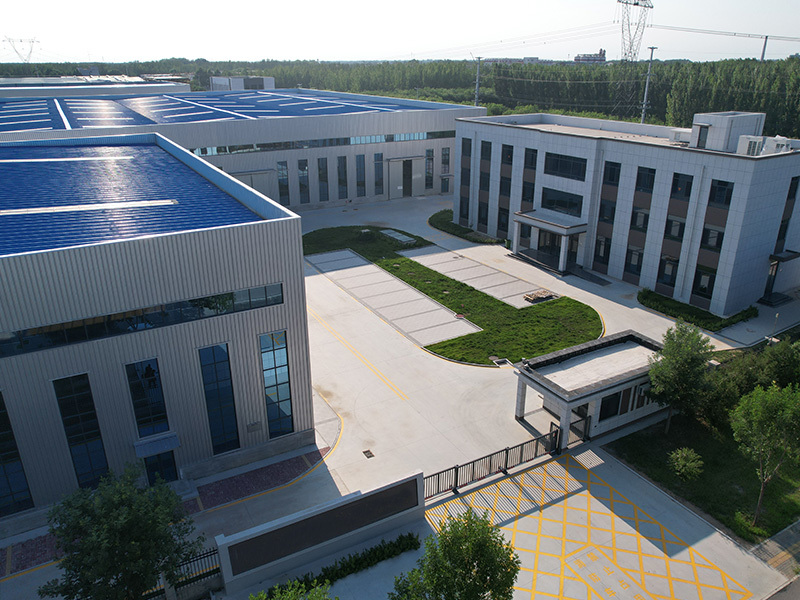
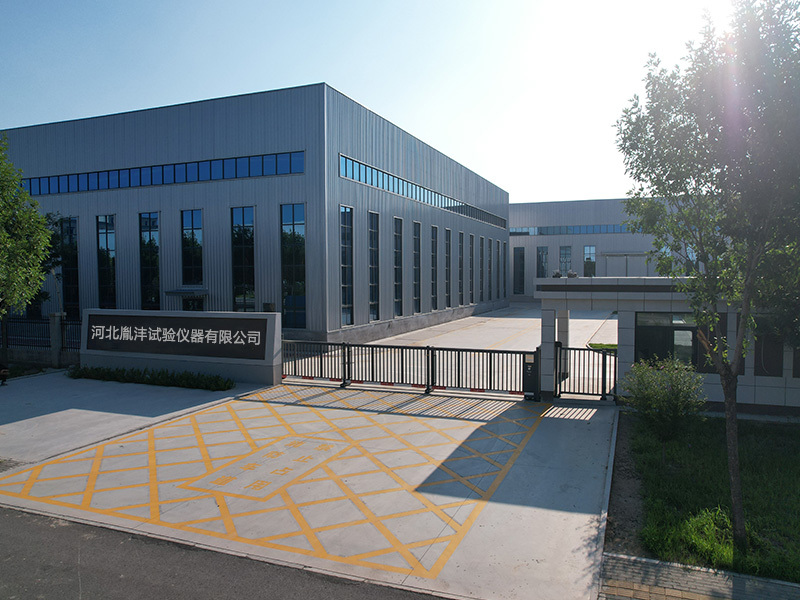
Hebei Yinfeng Experimental Instrument Co., Ltd. is a high-tech enterprise dedicated to the research and development, production, and sales of experimental instruments. The company is headquartered in Hebei Province, relying on the strong industrial foundation and technological innovation resources in the Beijing Tianjin Hebei region. It is committed to providing high-precision and high reliability testing equipment and solutions for material testing, engineering quality control, scientific research experiments and other fields.


Customized Delivery Process
We provide customers with full-process services ranging from pre-sale consultation, customized solution design, equipment installation and commissioning to after-sale technical support.
Online Communication
Provide Custom Drawings
Merchant Quotation
Sign A Contract
Processing And Production
Packaging And Distribution
Confirm Receipt Of Goods
Successful Transaction
Next:
Asphalt Brittle Point Tester
If you need customized products, Contact US !
Share to


Category
Tag list
Request a Quote
We will contact you within one working day. Please pay attention to your email.
Related Products
Content update in progress
Message
We will contact you within one business day. Please note your email address.
Fast navigation
Contact Us
Whatsapp/Tel: +86-15931715356,+86 16631790555
E-mail: qcj@cnhblabequipment.com
Add: Chengnan Industrial Zone, Xian County, Cangzhou City, Hebei Province

Online Message