



- Product Describe
-
DCP Dynamic Cone Penetrometer
1. Overview of the DCP Dynamic Cone Penetrometer
The Dynamic Cone Penetrometer (DCP) is a lightweight, portable in-situ testing device used to evaluate the bearing capacity of soil. It features a hammer weighing 8 kg, a drop height of 575 mm, a penetration rod length of 1,000 mm, and a cone tip with a diameter of 20 mm and a cone angle of 60 degrees. The penetration rod can be fitted with a 1,000-mm steel ruler, offering dual-scale readings in both metric and imperial units. The penetration value for each blow is directly recorded and read off immediately.
The Dynamic Cone Penetrometer (DCP) has already been widely used abroad, and a wealth of data has been accumulated on the relationship between penetration values and corresponding soil property indices. The DCP penetration values have been correlated with the soil’s elastic modulus, CBR, and unconfined compressive strength. In South Africa, the penetration value has already been adopted as a key parameter in pavement design.
1.1 DCP Advantages
The Dynamic Cone Penetrometer (DCP) boasts advantages of being fast, simple, and不受场地限制, making it suitable for evaluating the bearing capacity of subgrades at construction sites or on existing roadways. The Dynamic Cone Penetrometer (DCP), by rapidly measuring the penetration depth of the soil, effectively overcomes the drawbacks of methods such as sand filling, ring sampling, water injection, and electric soil samplers. It is a next-generation rapid testing device for assessing the compaction performance of subgrades. Moreover, the DCP exhibits a strong correlation with the California Bearing Ratio (CBR) and resilient modulus of in-situ subgrades, enabling it to be used for evaluating subgrade strength. (Converted according to AASHTO formulas.)
1.2 DCP Analysis Method
Since the dynamic cone penetrometer is rarely used in China, there are currently no relevant analytical methods available domestically. According to the U.S. AASHTO specifications, there is the following relationship between DCP test results and CBR:
CBR = 405.3 / PR1.259
In the formula, PR represents the penetration rate from the DCP test, in mm/impact; CBR stands for California Bearing Ratio, as a percentage.
Therefore, by recording the DCP penetration rate during field testing, the CBR of the subgrade can be quickly calculated, allowing for a preliminary assessment of the load-bearing capacity of each layer of the roadbed.
1.3 DCP Testing Principle
DCP was developed by the UK’s Transport Research Laboratory (TRL) and has a total weight of 20 kg.
The main components include an 8-kg hammer with a drop height of 575 mm, a penetration rod, a scale, and a conical tip with a diameter of 20 mm that is connected to the end of the penetration rod. Specifically: the cone angle of the conical tip is 60 degrees, and the detailed specifications and dimensions of these components are shown in Figure 1.
Technical parameters:
1:10,000 mm scale
2: Penetration rod: Upper rod 803mm
3: Connecting disc: 105mm
4: Drop distance: 575mm
5. Penetration rod: Lower rod 910mm
6. Base plate: 300mm × 60mm × 8mm
7. Drop hammer: 8 kg
8. Cone tip: diameter 20 mm, angle 60 degrees
2 Dynamic Cone Penetrometer (DCP) Testing Method
During the DCP test, three personnel are typically required to operate: one person holds the handle, stands upright, and supports the instrument while keeping the cone tip facing downward and firmly pressed against the soil surface, ensuring that the penetration rod is as perpendicular as possible to the soil surface; another person lifts the hammer and allows it to fall freely; and a third person records the scale readings corresponding to every two hammer strikes.
2.1 DCP Testing Procedure
(1) At the test site, select a dry and level surface. If the surface has loose topsoil or relatively soft soil, use a shovel to remove the top layer of soil. The thickness of the soil removed should not exceed 2 cm. If the loose topsoil is particularly deep, choose another nearby location for testing.
(2) Attach the conical tip to the installed dynamic penetrometer rod.
(3) Align the conical tip with the surface of the soil to be tested, ensuring that the penetration rod is kept vertical.
(4) Place a scale next to the penetration rod, ensuring that the scale is parallel to the penetration rod.
(5) One person holds the penetration rod steady, while another person lifts the heavy hammer and then releases it to drop.
(6) After the hammer is dropped, record the number of hammer blows required to achieve a penetration depth exceeding 5 mm, as well as the corresponding penetration depth along the rod. If the penetration depth for a single blow is less than 5 mm, record the penetration depth and the cumulative number of hammer blows for that sequence only after multiple blows have resulted in a penetration depth greater than 5 mm. Test data shall be recorded by a designated person according to the prescribed forms.
(7) Once the penetration depth has reached the required level (the penetration depth has reached or slightly exceeded the current compacted layer thickness), remove the penetration rod to conclude the test.
(8) During the penetration process, if the cone tip encounters a rock or other obstruction that prevents the penetration rod from continuing to penetrate, the test should be halted. The data collected in this instance shall be considered invalid, and another test point should be selected within a 40-cm radius near the original penetration hole for conducting a new test.
(9) After the test is completed, disassemble the penetration rod at the middle joint and place it, along with the scale and the falling hammer, into the toolbox for future use.
Packing List Serial number Name Quantity 1 Reading ruler 1000mm 1 one 2 Standard hammer 8kg 1 one 3 Penetration rod (upper rod) 1 root 4 Penetration rod (lower rod) 1 root 5 Conical tip 60° 1 one 6 Buckle-handle 1 one 7 Hitting the iron weight 1 one 8 Baseplate 1 one 9 Open-end wrench 1 one Product Inspection Certificate
Name: Dynamic Cone Penetrometer
Model: D C P
This product has passed inspection and is approved for shipment.
Inspector: 05
Manufacturing date: February 2025
Company Profile
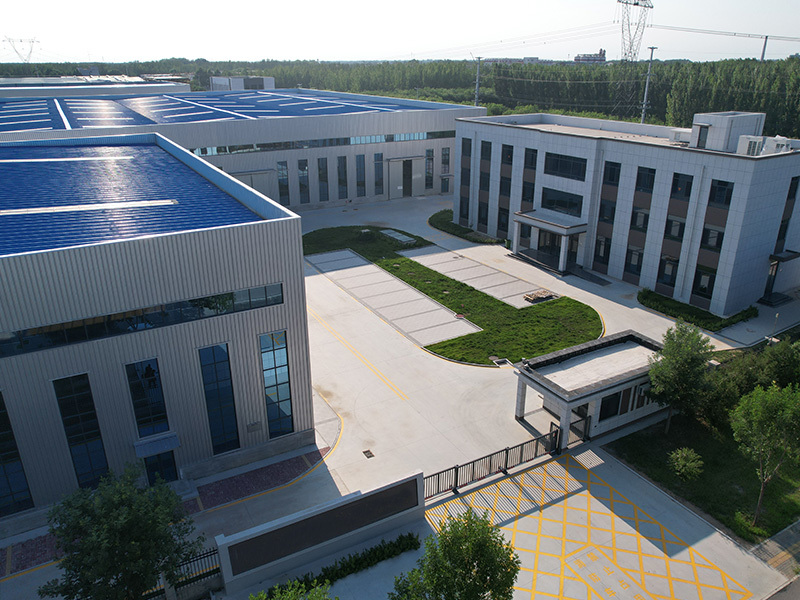
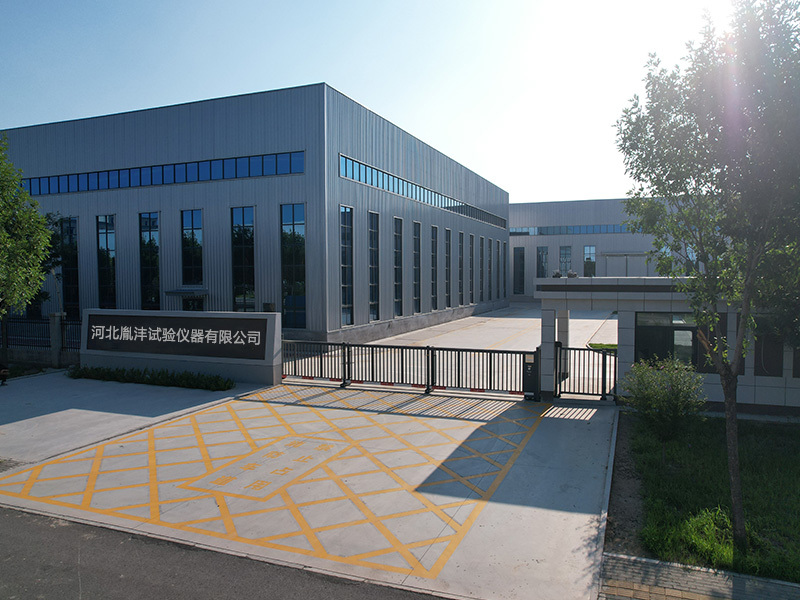
Hebei Yinfeng Experimental Instrument Co., Ltd. is a high-tech enterprise dedicated to the research and development, production, and sales of experimental instruments. The company is headquartered in Hebei Province, relying on the strong industrial foundation and technological innovation resources in the Beijing Tianjin Hebei region. It is committed to providing high-precision and high reliability testing equipment and solutions for material testing, engineering quality control, scientific research experiments and other fields.


Customized Delivery Process
We provide customers with full-process services ranging from pre-sale consultation, customized solution design, equipment installation and commissioning to after-sale technical support.
Online Communication
Provide Custom Drawings
Merchant Quotation
Sign A Contract
Processing And Production
Packaging And Distribution
Confirm Receipt Of Goods
Successful Transaction
Previous:
Next:
DCP Dynamic Cone Penetrometer
If you need customized products, Contact US !
Share to


Category
Tag list
Request a Quote
We will contact you within one working day. Please pay attention to your email.
Related Products
Content update in progress
Message
We will contact you within one business day. Please note your email address.
Fast navigation
Contact Us
Whatsapp/Tel: +86-15931715356,+86 16631790555
E-mail: qcj@cnhblabequipment.com
Add: Chengnan Industrial Zone, Xian County, Cangzhou City, Hebei Province

Online Message