



- Product Describe
-
Technical Specifications
1. Leverage ratio: 10:1
2. Bearing plate area:
3. Φ25.2mm-125px²
4. Φ37.4mm-275px²
5. Φ50.5mm-500px²
Wooden crate dimensions: length 91 cm, width 36 cm, height 48 cm.
Method of Using the Resilience Modulus Tester
A. Select the unit pressure on the bearing plate
1. For soil subgrades with a plasticity index greater than the moisture content, use 0.5–10 kg/cm².
2. For soil subbase with a calculated moisture content below the plastic limit, use 1.0–2.0 kg/cm².
3. For subbase materials, 5–7 kg/cm²
B. Invert the specimen with the test cylinder on the instrument’s base, and place a bearing plate whose diameter is approximately one-quarter of that of the test cylinder; then adjust the leveling lever so that one end of the weight is slightly raised, and install the dial indicator.
C. Preloading: Apply the calculated maximum load to the specimen 1–2 times, then unload and perform a preloading test. During the test, further adjust the position of the loading plate, ensure proper contact between the loading plate and the specimen surface, and adjust the height of the lever. Also, set the dial gauge pointer to zero and apply a preloading force of 1 mm to the dial gauge.
D. Measuring rebound deformation: Divide the calculated predetermined unit pressure into 4 to 6 equal increments, which will serve as the load increment for each application (the final load increment may be slightly greater than the total calculated predetermined pressure).
1. Apply the first load level (e.g., one-fifth of the predetermined maximum load). Using a stopwatch, maintain the load for 1 minute, then record the dial gauge reading. Subsequently, remove the load to allow the specimen’s deformation to recover, and record the dial gauge reading again after another 1 minute.
2. While completing the preceding step, apply the second load (i.e., two-fifths of the predetermined load). After the load has been applied for 1 minute, record the dial gauge reading, then remove the load to allow the specimen’s deformation to recover; after another 1 minute, record the dial gauge reading.
3. Proceed step by step according to the above procedures, applying and then unloading loads at the third, fourth, and subsequent load levels.
Low-price manufacturer of subgrade resilient modulus testers; test procedure:
1. Preparation of the test sample: If the test sample consists of well-graded coarse aggregate, sieve out particles larger than 20 mm in diameter. If the particle size distribution of the aggregate smaller than 200 mm does not meet the grading requirements, add the missing fines to achieve the specified gradation.
2. Compaction Test: Determine the moisture content and maximum dry unit weight of the material using the compaction test method, and plot the relationship curve between moisture content and dry unit weight.
3. Prepare test specimens: For subgrade soil, prepare 3–4 sets of compaction specimens with different compaction energy levels.
For example, specimens with compaction energies of 5.62 kg·cm/cm² (equivalent to the light compaction test method), 12.5 kg·cm/cm², and approximately 19.5 Gg·cm/cm² are tested, with 6–7 measurement points per group, using the specimens in rebound hammer tests.
4. For pavement materials, test specimens shall be prepared in accordance with the method specified in the California Bearing Ratio test. Two to four specimens shall be prepared for each test, half of which shall be subjected to water immersion to determine swelling, after which all specimens shall undergo a staged loading test (i.e., determination of the resilient modulus).
Field Bearing Plate Tester—CBR Field Bearing Plate Tester—Laboratory Instrument for On-Site Testing—Field Bearing Plate Tester (California Bearing Ratio, CBR)—Test Method: 1. For detailed test procedures, refer to pages 94–99 of the Ministry of Transport’s “Test Specifications for Subgrade Materials of Highway Pavements,” JTJ075-85. 2. During testing, apply the load in increments according to the pressure calibration table for the hydraulic jack. CBR Bearing Plate Tester (Scope of Application: This method is applicable for directly determining the resilient modulus of subgrade and full-layer pavement materials (with a thickness of 0.8–1.0 m) on the pavement surface.) Main Technical Parameters of the CBR Bearing Plate Tester: 1. Maximum Load: 60 kN; 2. Bearing Plate Diameter: 304 mm; 3. Jack Stroke: 120 mm. Field Bearing Plate Tester (California Bearing Ratio, CBR)—Maintenance: 1. After each use, the instrument should be immediately wiped clean. 2. After one year of operation, the lubricating grease in the gearbox should be replaced with fresh grease, and regular maintenance should be performed thereafter. Price and Model of the Bearing Ratio Tester—Instrument Usage Instructions: 1. Turn on the power switch to start the instrument, then check whether its operating condition is normal, including the smoothness of handle movement and rotation. If everything is in order, the test can be commenced. 2. Prepare test specimens in accordance with the CBR test method specified in the “Test Specifications for Subgrade Materials of Highway Pavements,” JTJ075-85. 3. Measure the saturated swelling: A. Place the moisture-cured specimen on a porous plate equipped with an adjusting rod, and apply sufficient loading on the plate so that the pressure on the specimen surface equals the pavement pressure acting on that material layer. B. Place the test cylinder together with the porous plate into a water tank (without filling it with water initially), tighten the mold using tie rods, install a dial indicator, and record the initial reading. C. Fill the water tank with water until the water level reaches the top of the specimen; during the saturation period, the water level should be maintained 25 mm above the specimen’s top surface. Typically, the specimen is soaked for 96 hours. D. When the soaking time is up, read the dial indicator value and calculate the swelling amount: AV = (Change in specimen height after soaking / Original specimen height, 120 mm) × 100%. E. Remove the specimen from the water tank, drain the water from its surface, allow it to stand for 15 minutes to drain completely, then remove the applied load, the porous plate, the base plate, and the filter paper, and measure the specimen’s depth and density changes. Field Bearing Plate Tester (California Bearing Ratio, CBR)—Usage Instructions: 1. Install the bearing beam beneath the rear axle of a truck with a rear axle load of 10–12 tons, at a distance of 0.8 m from the rear axle, and secure the beam firmly using clamping plates and fastening bolts. 2. Select representative measurement points, sprinkle a small, uniform layer of sand on the test surface, place the bearing plate, and rotate it to ensure even distribution of the sand and its penetration into any small depressions on the surface. Press along 2–3 straight lines at the edge of the bearing plate with your fingers to check for any warping or unevenness. 3. Slowly drive the vehicle so that the approximate midpoint of the rear-mounted bearing beam aligns directly above the bearing plate. 4. Position the hydraulic jack at the center of the bearing plate; if the jack’s lifting capacity is insufficient, place a support cylinder (made of multiple sleepers) beneath the jack to ensure proper alignment between the jack’s plunger and the bearing plate (alternatively, adjust the screw on the jack’s plunger). 5. Use a deflection meter (to be provided by the user): mount the measuring heads of two deflection meters on the leveling screws on either side of the bearing plate, and simultaneously attach a dial indicator for measuring deformation to the tail end of each deflection meter. Field Bearing Plate Tester—CBR Field Bearing Plate Tester—Laboratory Instrument for On-Site Testing
Company Profile
Hebei Yinfeng Experimental Instrument Co., Ltd. is a high-tech enterprise dedicated to the research and development, production, and sales of experimental instruments. The company is headquartered in Hebei Province, relying on the strong industrial foundation and technological innovation resources in the Beijing Tianjin Hebei region. It is committed to providing high-precision and high reliability testing equipment and solutions for material testing, engineering quality control, scientific research experiments and other fields.

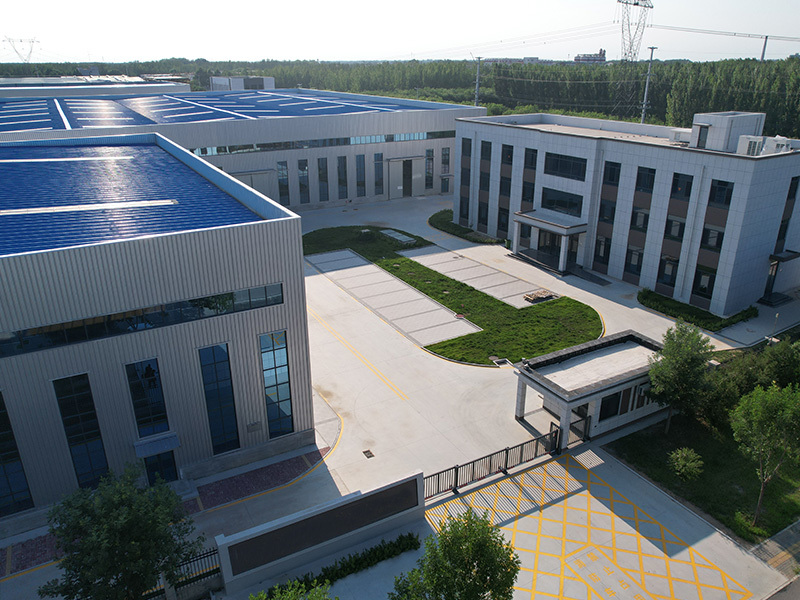

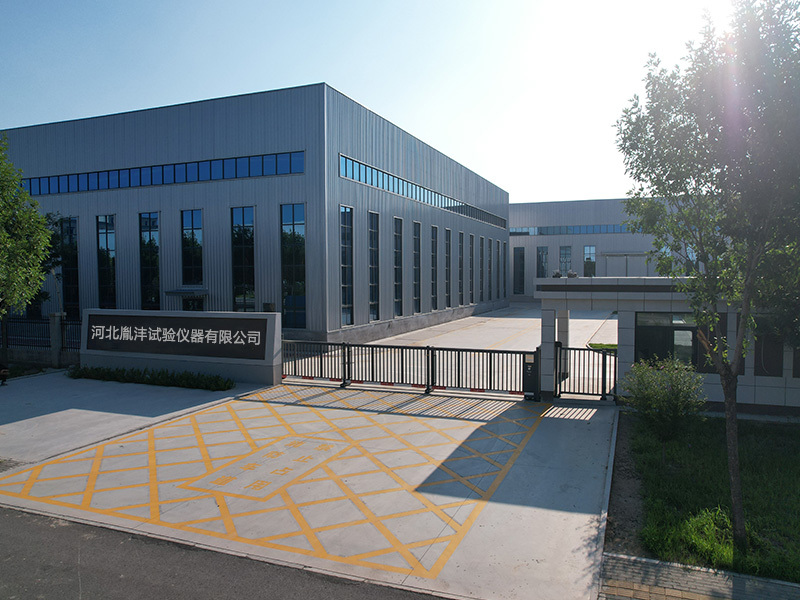
Customized Delivery Process
We provide customers with full-process services ranging from pre-sale consultation, customized solution design, equipment installation and commissioning to after-sale technical support.
Online Communication
Provide Custom Drawings
Merchant Quotation
Sign A Contract
Processing And Production
Packaging And Distribution
Confirm Receipt Of Goods
Successful Transaction
Previous:
Resilience Modulus Tester
If you need customized products, Contact US !
Share to


Category
Tag list
Request a Quote
We will contact you within one working day. Please pay attention to your email.
Related Products
Content update in progress
Message
We will contact you within one business day. Please note your email address.
Fast navigation
Contact Us
Whatsapp/Tel: +86-15931715356,+86 16631790555
E-mail: qcj@cnhblabequipment.com
Add: Chengnan Industrial Zone, Xian County, Cangzhou City, Hebei Province

Online Message