



- Product Describe
-
Scope of Application
This instrument is a specialized device designed in accordance with the Ministry of Transport’s T0349-2005 standard, “Methylene Blue Test for Fine Aggregates,” and incorporates advanced frequency-modulation and CNC technologies to enhance test accuracy and speed. It is an essential piece of dedicated equipment for laboratory use. This method is applicable to determining the presence of expansive clay minerals in fine aggregates and to quantifying their content, thereby assessing the cleanliness of the aggregate; the result is expressed as the methylene blue value (MBV).
This method is applicable to fine aggregates with particle sizes less than 2.36 mm or less than 0.15 mm, and can also be used for quality testing of mineral fillers.
When the percentage of 0.075 mm passing in the fine aggregate is less than 3%, this test may be waived, and the material shall be deemed to be compliant.
Technical Specifications
Power supply voltage: 220 V; Maximum rotational speed: 600 rpm ± 10 rpm.
Lower rotational speed: 400 rpm ± 10 rpm; Impeller diameter: 75 mm ± 10 mm.
Number of impellers: 3; Beaker capacity: 1000 ml
Operating Instructions
Time setting:
Connect the power supply; the time display is three digits, with a maximum of 999 seconds. For example, to set the stirring time to 8 minutes, press the “+” or “–” keys to set it to 480 seconds. Press the start button, and the stirrer will run for 8 minutes before stopping automatically. If you need to continue stirring for another 4 minutes, set the time to 240 seconds and press the start button again.
Selection of the smart standard key:
When preparing methylene blue solution and conducting the rapid evaluation test for methylene blue, standard testing methods shall be used, and the instrument display shall indicate “standard.”
An intelligent testing method can be employed in the methylene blue value (MBV) test, which significantly enhances both the accuracy and speed of the experiment.
Rotational Speed Setting:
When conducting an intelligent speed test—for example, setting the speed to 600 rpm and the stirring time to 5 minutes—the system will display “300” for the set time and “600” for the speed. If you wish to stir at 400 rpm for 1 minute, simply press the “400/600” key; the speed display will then show 400, and the time display will show 60. Press the start button. After stirring at 600 rpm for 5 minutes, the system will automatically switch to 400 rpm, and after another 1 minute of stirring, it will stop automatically. If the test is not successful, press the start button again; the instrument will stir at 600 rpm for 5 minutes, then automatically switch to 400 rpm for 1 minute, and finally stop automatically—this process will repeat until the test is successfully completed.
When performing a standard speed test, the instrument displays “Normal” upon power-up and shows a speed of 600 rpm. Pressing the “600” key will switch the display to 400 rpm.
Starting the instrument: After the time, speed, and intelligent settings have been configured, press the Start/Stop button to initiate stirring. If you need to stop stirring mid-cycle, simply press the Start/Stop button again; pressing it once more will resume operation.
Test Procedure
Standard methylene blue solution, standard concentration of 910.0 g/L ± 0.1 g/L
Determine the water content W of methylene blue as follows: accurately weigh about 5 g of methylene blue powder and record the mass mh to an accuracy of 0.01 g; dry the sample at a temperature of 100°C ± 5°C until constant weight is achieved (if the drying temperature exceeds 105°C, the methylene blue powder will degrade); allow the sample to cool in a desiccator, then reweigh it and record the mass mg to an accuracy of 0.01 g; calculate the water content W of methylene blue using Equation (T0349-1).
W = (mh - Mg) / mg × 100
In the equation: mh – mass of methylene blue powder (g)
Mass of methylene blue after drying (g)
Weigh methylene blue powder (100+w) (10 g ± 0.01 g) per 100 g (i.e., the mass of dry methylene blue powder is 10 g), accurate to 0.01 g.
Heat a beaker containing approximately 600 mL of clean water, ensuring the water temperature does not exceed 40°C.
Set the instrument to the standard test method, add methylene blue powder while stirring, and continue stirring for 45 minutes until all the methylene blue powder has dissolved; then cool the mixture to 20°C.
Pour the solution into a 1 L volumetric flask, and rinse the beaker and other glassware with clean water to ensure that all of the methylene blue solution is transferred into the flask. The temperature of both the volumetric flask and the solution should be maintained at 20°C ± 1°C, then add clean water to the 1 L mark on the flask.
Shake the volumetric flask to ensure complete dissolution of the methylene blue powder, then transfer the standard solution into a dark-colored storage bottle. The shelf life of the methylene blue standard solution should not exceed 28 days; the prepared solution must be labeled with the date of preparation and the expiration date, and stored away from light.
Preparation of Fine Aggregate Suspension
Take a representative sample, reduce it to approximately 400 g, and dry it in an oven at 105°C ± 5°C until constant weight. After cooling to room temperature, sieve out particles larger than 0.36 mm and divide the remaining material into two portions for subsequent use.
Weigh 200 g of the sample to an accuracy of 0.1 g, then transfer the sample into a 500 ml beaker containing clean water. Set the instrument to the intelligent test mode and press the start button. After stirring at 600 rpm for 5 minutes, the speed will automatically switch to 400 rpm; if the test is unsuccessful, pressing the start button again will cause the instrument to maintain 400 rpm until the test is successful, at which point it will stop.
Determination of Methylene Blue Adsorption Capacity
Place the filter paper holder suspended above the open top of a beaker, ensuring that it does not come into contact with any other objects.
The fine aggregate suspension is then mixed with methylene blue solution and stirred at a speed of 400 r/min ± 40 r/min for 1 minute, after which a ring-shaped pattern forms on the filter paper, with the aggregate sediment in the center. The volume of the solution should be such that the diameter of the sediment falls within the range of 8 mm to 12 mm, surrounded by a colorless water ring. The test is considered positive when a pale blue halo approximately 1 mm wide radiates outward from the edge of the sediment.
If the initial 5 mL of methylene blue does not produce a color halo around the precipitate, add another 5 mL of methylene blue solution to the suspension, continue stirring for 1 minute, then use a glass rod to pick up a single drop of the suspension and place it on filter paper to perform a second color-halo test. If no color halo has yet formed around the precipitate, repeat the above steps until a stable, light-blue halo approximately 1 mm in diameter radiates from the periphery of the precipitate.
Stop adding the methylene blue solution, but continue stirring the suspension. If the color halo disappears within 1 minute, add another 5 mL of methylene blue solution; if the halo disappears by the 5th minute, add an additional 2 mL of methylene blue solution. In both cases, continue stirring and perform the color-halo test until the halo persists for 5 minutes.
Record the total volume of methylene blue solution added when the color halo persists for 5 minutes, accurate to 1 mL.
Rapid Evaluation Test for Methylene Blue
Prepare and mix the sample in accordance with the requirements of 3.2.(1) and 3.2.(2).
Add 30 mL of methylene blue solution to the beaker in one go, set the instrument to the standard test method, adjust the stirring speed to 400 rpm, set the timer dial to 480, and then press the start button. After stirring for 8 minutes, use a glass rod to pick up a single drop of the suspension and place it on filter paper, observing whether a distinct color halo appears around the precipitate.
5. Determination of the methylene blue value MBVF for the fraction with particle size less than 0.15 mm: Prepare the test sample accurately in accordance with Clauses 3.1 to 3.3, and conduct the methylene blue test; however, the test sample shall consist solely of the 0–0.15 mm fraction, with a mass of 30 g ± 1 g.
6. Determine the silt content or stone powder content in fine aggregate according to the sieve analysis method specified in T0333.
Calculate
1. The methylene blue value (MBV) of fine aggregate shall be calculated according to Equation (T0349-2), with an accuracy of 0.1.
MBV = V/M × 10
In the formula: MBV—Methylene Blue Value (g/kg), which represents the mass of methylene blue, in grams, consumed per kilogram of the 0–2.36 mm particle-size fraction of the test sample;
M - Test mass (g)
V—Total volume of methylene blue solution added (ml)
2. Evaluation of Rapid Methylene Blue Test Results
If a distinct color halo appears around the precipitate, the methylene blue rapid test is deemed合格; if no distinct color halo appears around the precipitate, the methylene blue rapid test is deemed 不合格.
3. The methylene blue value MBVF of the fraction less than 0.15 mm or of the mineral powder shall be calculated according to Equation (0349-3), with an accuracy of 0.1.
MBVF = V1/M1 × 10
In the formula: MBVF — Methylene Blue Value (g/kg), representing the mass of methylene blue, in grams, consumed per kilogram of the 0–0.15 mm particle-size fraction or mineral powder sample;
Ml—Sample mass (g)
V1—Total volume of methylene blue solution added (mL)
4. The calculation and evaluation of the silt content or mineral powder content in fine aggregate shall be conducted in accordance with Test Method T0333.
Precautions
This instrument is powered by 220 V/50 Hz. If the supply voltage exceeds 240 V or falls below 180 V, a voltage stabilizer must be used; otherwise, the rotational speed may be affected.
Random Attachment
1 variable-speed stirrer, 1 1000 ml beaker
1 thermometer 1 glass rod
4 impeller blades, 1 unit; 1 each of 2 mL and 5 mL pipettes.
1 certificate of conformity 1 instruction manual
1 bottle of methylene blue reagent, 1 absorbent ball
Company Profile
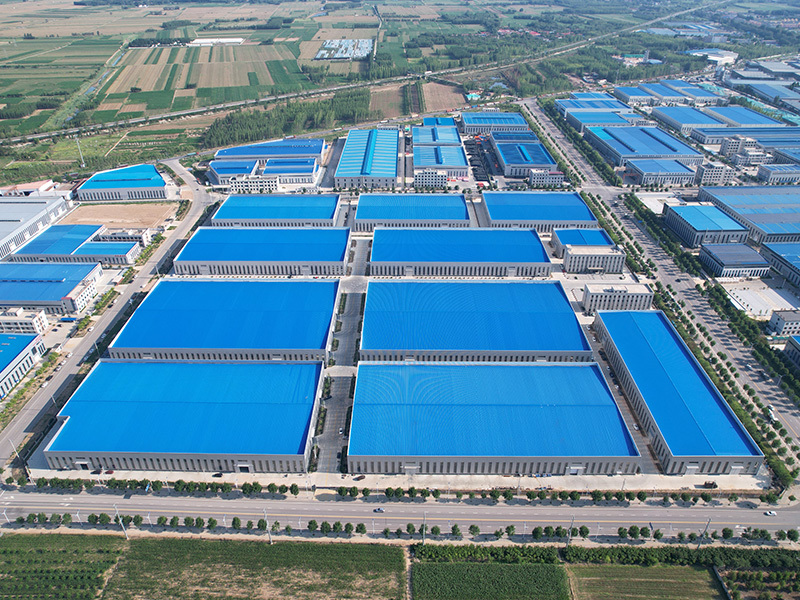
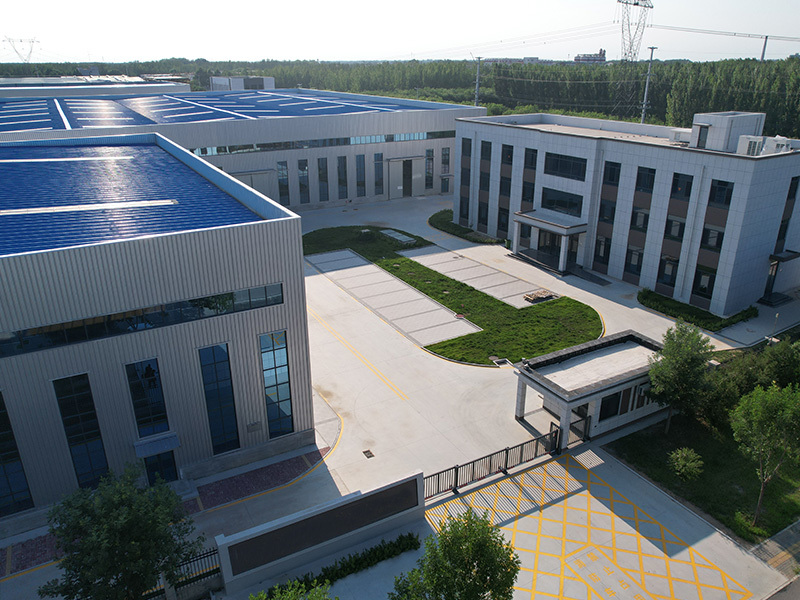
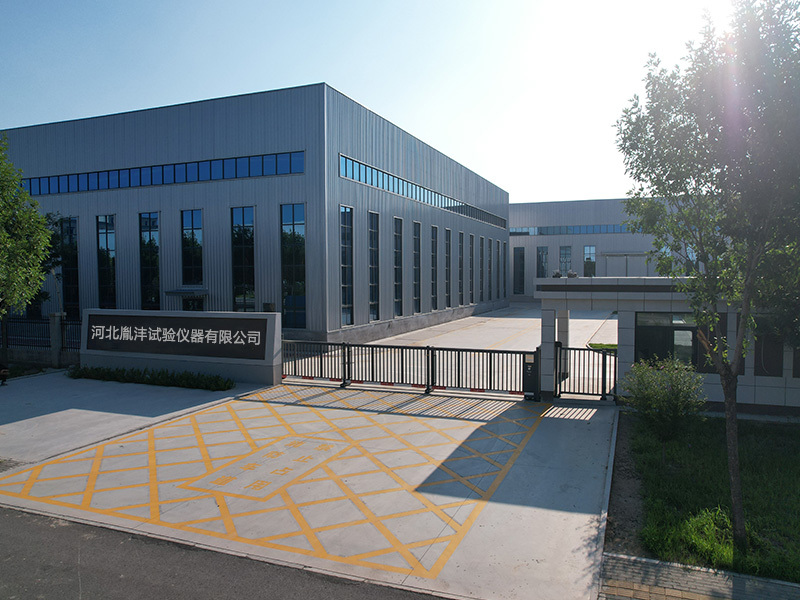
Hebei Yinfeng Experimental Instrument Co., Ltd. is a high-tech enterprise dedicated to the research and development, production, and sales of experimental instruments. The company is headquartered in Hebei Province, relying on the strong industrial foundation and technological innovation resources in the Beijing Tianjin Hebei region. It is committed to providing high-precision and high reliability testing equipment and solutions for material testing, engineering quality control, scientific research experiments and other fields.

Customized Delivery Process
We provide customers with full-process services ranging from pre-sale consultation, customized solution design, equipment installation and commissioning to after-sale technical support.
Online Communication
Provide Custom Drawings
Merchant Quotation
Sign A Contract
Processing And Production
Packaging And Distribution
Confirm Receipt Of Goods
Successful Transaction
Previous:
NSF-KY-1 Fine Aggregate Methylene Blue Test Apparatus
If you need customized products, Contact US !
Share to


Category
Tag list
Request a Quote
We will contact you within one working day. Please pay attention to your email.
Related Products
Content update in progress
Message
We will contact you within one business day. Please note your email address.
Fast navigation
Contact Us
Whatsapp/Tel: +86-15931715356,+86 16631790555
E-mail: qcj@cnhblabequipment.com
Add: Chengnan Industrial Zone, Xian County, Cangzhou City, Hebei Province

Online Message