



- Product Describe
-
The cement unified testing mill is an indispensable piece of equipment in the chemical analysis laboratory of a cement plant for determining the grade of cement clinker and conducting clinker chemical analysis; it can also be used to grind other materials.
This laboratory mill features a compact structure, convenient operation, simple maintenance, reliable performance, and excellent dust- and noise-control capabilities, as well as automatic shutdown controlled by a timer.
Main Technical Parameters
Mill speed: 48 r/min
Grinding media loading: 100 kg
Grinding media and their matching quantities: (to be purchased separately by the user)
Name Ball diameter Φ (mm) Quantity (pieces) Weight (kg) Steel ball 40 40 60 50 33 60 22 70 8 Steel forging Φ25mm x L35mm 40 Single material loading quantity 5kg Feed particle size ≤7mm Grinding time ~30 min Motor power 1.5KW Power supply voltage 380V Power supply frequency 50Hz Structure
This test mill consists of four main components: a housing, a grinding chamber, a support base, and an electrical control cabinet.
Housing: The housing is constructed from 2-mm-thick cold-rolled steel plate and is divided into upper and lower sections. The upper housing is equipped with a housing door, while the lower housing features a material-discharge hopper for collecting the ground material. The housing is sealed to the mill shaft by end caps fitted with felt seals, thereby providing excellent sound insulation and dust-proof sealing.
Mill: The mill consists of a cylindrical shell, a grinding chamber cover, bearings and bearing housings, a coupling, a gear reducer, an electrical control cabinet, and other components. The mill base is equipped with four F14 anchor bolt holes for securing the entire equipment assembly.
The electrical control box comprises pushbuttons, combination switches, thermal circuit breakers, time relays, and other components. The grinding time is factory-set at 30 minutes, but users can also adjust it freely according to the desired fineness of the material. The mill door may be opened only after the mill has been stopped; if the mill door is not aligned with the shell cover door, use the jog switch to manually align them.
Working Principle
The mill cylinder is filled with a certain quantity of grinding media. The crushed material is fed into the mill through the feed inlet, and the motor is started to drive the rotation of the grinding media. As the media rotate, they mix with the material; under the action of centrifugal force and friction against the cylinder wall, the mixture is lifted to a certain height. Then, under gravity, it falls freely, and the falling grinding media strike the material at the bottom, thereby crushing it. At the same time, as the grinding media continue to rotate, they also undergo sliding and rolling motions, which generate friction between the material and the grinding media, further reducing the material to finer particles.
Installation and Commissioning
After unpacking the test mill, the entire exterior of the equipment should be thoroughly cleaned. Carefully inspect the gear reduction motor, mill, casing, bearing housings, and other components for any damage sustained during transportation, and ensure that all fasteners are securely tightened. When lifting the equipment, the slings must be attached to the base frame; they must not be tied to the casing, shaft, or motor to prevent damage to these parts.
During installation, first clean any oil, grease, or dirt from the bearing base plate; ensure the cement foundation surface is level; after the bearing is properly positioned and stabilized, secure it with anchor bolts (steel shims may be used for leveling).
Before commissioning, inspect the mill and its casing; if any parts are rubbing against each other, adjust them to eliminate the contact. Verify that the mill door is securely closed and free of looseness. Also check the lubrication condition of the bearing housings and the geared motor; if there is no lubricant, fill them completely.
Rotate the mill by hand for more than one full revolution and inspect it for any abnormal conditions, such as collisions or sluggish operation.
Upon energizing the machine for trial operation, the mill shall rotate in the clockwise direction. If, after startup, the rotation direction is found to be incorrect, disconnect the power supply; once the motor has come to a complete stop, interchange any two of the power supply leads, then restart the machine. Only after the trial run under no-load conditions has confirmed proper operation may the load be gradually applied.
Operation
Weigh the clinker, gypsum, or other materials to be ground.
Prior to grinding, the material is first crushed to ensure that the feed particle size is less than 7 mm.
Clear out any remaining material in the grinding chamber, then pour in the crushed material.
Close the grinding door securely, tighten the compression nut, ensuring that the grinding door is properly aligned and free of gaps, then close the housing cover.
Adjust the grinding time according to the milling requirements; do not make adjustments while the equipment is running.
Power on and grind.
When sampling and testing the fineness or specific surface area of the material during the grinding process, the mill must be stopped for 2–3 minutes to allow the powder to settle before opening the mill door for sampling. If the mill door is not aligned with the casing door, use the jog switch to make the necessary adjustment.
When the specified grinding time has been reached, the mill shall automatically shut down. After shutdown, replace the grate discharge plate with a perforated discharge plate, then restart the mill to discharge the material until it is completely emptied.
Wait for about 5 minutes, then remove the material hopper and take out the ground material.
If the material to be ground has specific requirements, prior to grinding, dry slag or sand should be loaded into the mill cylinder and ground for 5 minutes to remove any material adhering to the steel balls.
Maintenance
Regularly clean dust from the exterior of the mill and the inner surfaces of the enclosure.
Inspect all fasteners at all times; if any are loose, tighten them promptly.
Perform regular inspections of the lubrication system: change the reducer lubricating oil (No. 120 machine oil) every three months, and replace the bearing lubricant grease (calcium-based or calcium-sodium-based grease) every six months.
During operation, regularly monitor for any abnormal noises or impact sounds, excessive temperature rise in the gear reducer motor and bearings, smoking, or unusual odors. If any of these occur, immediately disconnect the power supply, identify the cause, and eliminate the fault before resuming operation.
Regularly inspect all sealing gaskets and the sealing rings on the mill door cover; if any are damaged, they should be replaced promptly.
The control box shall be kept dry, its power supply contacts shall be regularly inspected, and its grounding shall be reliable.
Electrical Control
For digital display on the controller circuit, first connect the input power supply to the controller. Once the power indicator lights up, the controller enters standby mode, with the digital display showing “0:00.” Then begin setting the mixing time: on the dial, press the “+” button on the rightmost digit to increment the time by 1 second, and press the “–” button to decrement it by 1 second. Once the setting is complete, it cannot be changed arbitrarily during operation; any adjustments must be made by resetting the time.
Note: If the preset time “0:00” is not selected on the digital dial, the machine will not operate even when the start button is pressed. Once the preset time is reached, the output power will be automatically cut off; after work, the machine’s power supply must be disconnected.
Company Profile
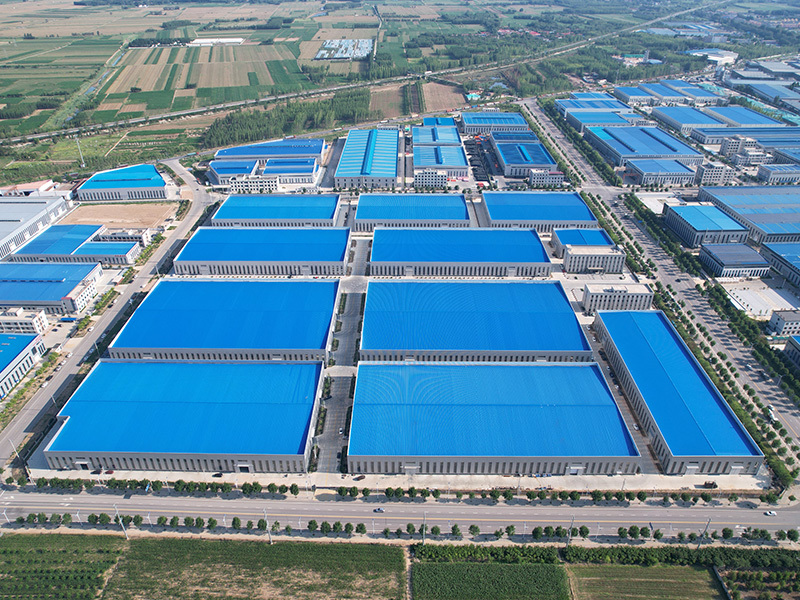
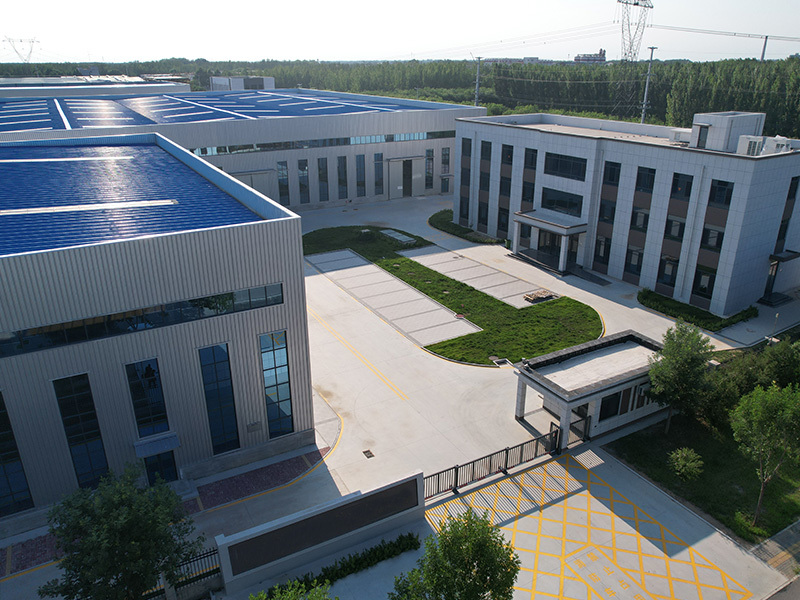
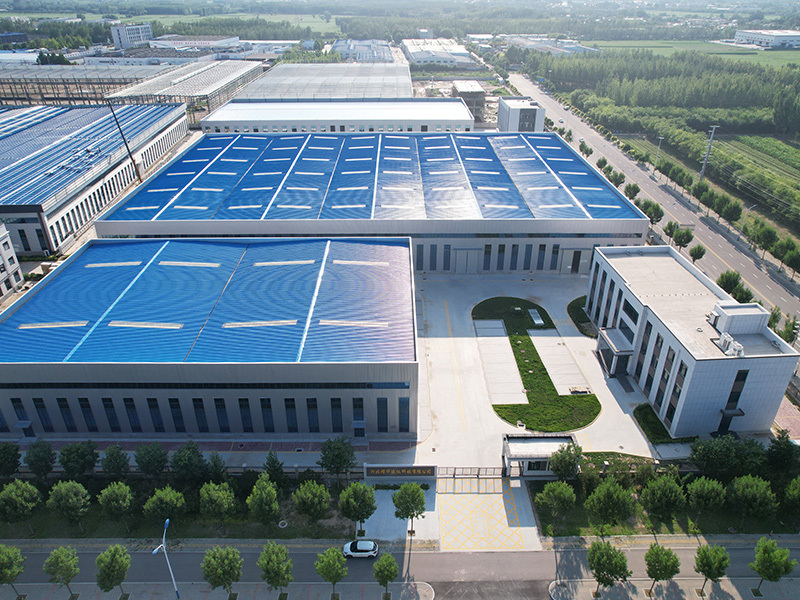
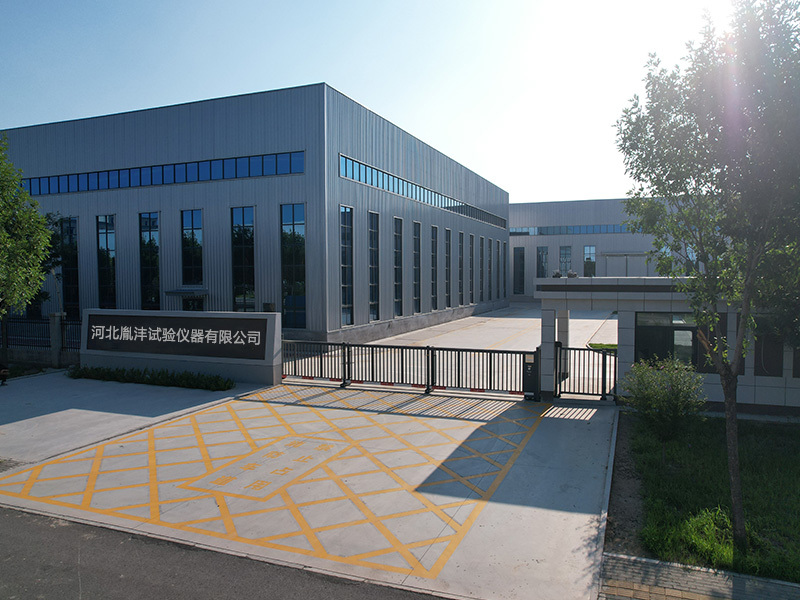
Hebei Yinfeng Experimental Instrument Co., Ltd. is a high-tech enterprise dedicated to the research and development, production, and sales of experimental instruments. The company is headquartered in Hebei Province, relying on the strong industrial foundation and technological innovation resources in the Beijing Tianjin Hebei region. It is committed to providing high-precision and high reliability testing equipment and solutions for material testing, engineering quality control, scientific research experiments and other fields.
Customized Delivery Process
We provide customers with full-process services ranging from pre-sale consultation, customized solution design, equipment installation and commissioning to after-sale technical support.
Online Communication
Provide Custom Drawings
Merchant Quotation
Sign A Contract
Processing And Production
Packaging And Distribution
Confirm Receipt Of Goods
Successful Transaction
Cement testing mill
If you need customized products, Contact US !
Share to


Category
Tag list
Request a Quote
We will contact you within one working day. Please pay attention to your email.
Related Products
Content update in progress
Message
We will contact you within one business day. Please note your email address.
Fast navigation
Contact Us
Whatsapp/Tel: +86-15931715356,+86 16631790555
E-mail: qcj@cnhblabequipment.com
Add: Chengnan Industrial Zone, Xian County, Cangzhou City, Hebei Province

Online Message